Ozone Therapy for Recovery: What Your Body Actually Experiences
Ozone Therapy for Recovery: What Your Body Actually Experiences
Recovery is more than just rest. Whether you are bouncing back from an intense workout, a long illness, or ongoing physical stress, your body goes through a complex internal process to repair and rebuild. For many people, that process feels slower than it should.
Ozone therapy for recovery is an approach that some integrative wellness providers use to support that repair process at the cellular level. But what does your body actually experience during and after a session? This guide breaks it down in plain terms.
What Makes Recovery So Complicated?
When your body is under physical stress, whether from exercise, illness, or inflammation, it produces unstable molecules called free radicals. These molecules damage cells and tissues, creating what is known as oxidative stress.
Your body has natural systems to manage oxidative stress. But when those systems are overwhelmed, recovery slows down. You feel it as soreness that lingers too long, fatigue that does not lift, or an immune system that struggles to get back on track.
This is where ozone therapy enters the conversation.
How Ozone Therapy Works During a Recovery Session
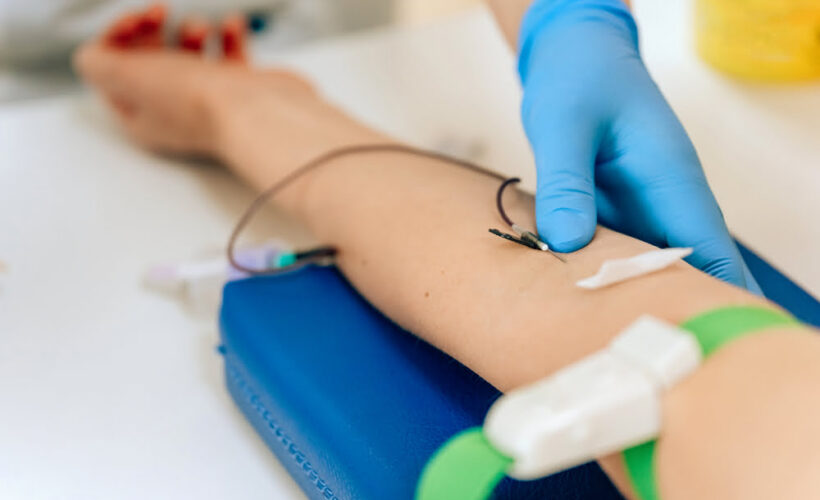
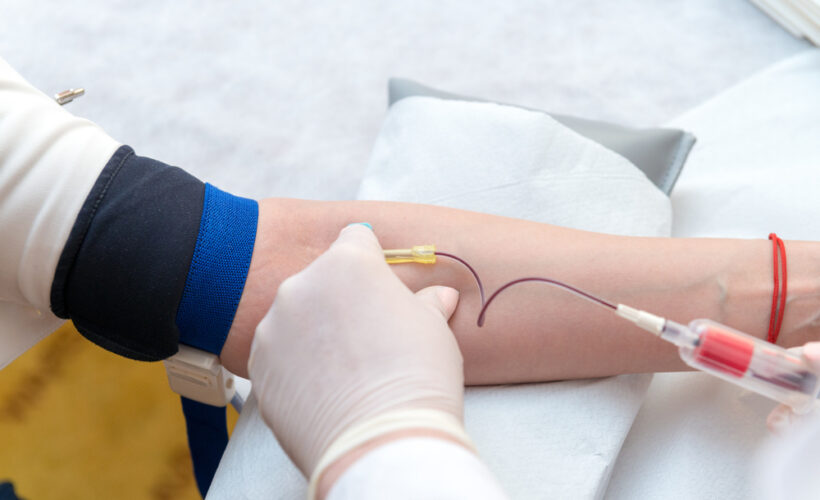
Ozone therapy, specifically autohemotherapy, involves drawing a small amount of your blood, mixing it with medical-grade ozone gas, and reinfusing it back into your body. The entire process typically takes 60 to 90 minutes.
What happens next is the part most people are curious about.
According to a comprehensive review published in Medical Gas Research via PMC, ozone therapy induces a controlled oxidative response that increases antioxidant production, improves oxygen delivery, and enhances immune function at the cellular level.
In other words, ozone therapy may help your body do more efficiently what it is already trying to do on its own.
The biological responses associated with ozone therapy include:
Activation of antioxidant enzyme production
Improved oxygen delivery and utilization at the cellular level
Modulation of inflammatory pathways
Support for immune system activity
Stimulation of cellular repair mechanisms
These responses are what make ozone therapy an area of interest for people focused on recovery support.
What Your Body May Experience After a Session
Some individuals report less physical tension and discomfort in the days following a session. This aligns with findings from a peer-reviewed study on ozone therapy and oxidative stress modulation which observed that ozone therapy was associated with decreased inflammatory markers in study participants.
Improved energy levels. Because ozone therapy is believed to enhance how cells use oxygen, some people notice a gradual lift in energy following treatment. This is not an immediate jolt but rather a steadier sense of vitality as the body responds.
Reduced feelings of physical tension. Inflammation is a natural part of recovery, but chronic or excessive inflammation can slow the process significantly. Some individuals report less physical tension and discomfort in the days following a session.
Clearer mental focus. Oxidative stress does not only affect muscles and tissue. It also impacts cognitive function. Some people describe improved mental clarity after ozone therapy sessions, which may relate to improved oxygen circulation.
A gradual sense of restoration. Unlike therapies that work instantly, ozone therapy is often described as cumulative. Many people find that the effects build over multiple sessions rather than appearing dramatically after just one.
How Ozone Therapy Compares to Other Recovery Approaches
Ozone therapy is not a replacement for foundational recovery habits. Sleep, hydration, nutrition, and movement all remain essential. What ozone therapy offers is a complementary layer of support that works at a biological level most conventional recovery methods do not address directly.
Who Typically Explores Ozone Therapy for Recovery?
Ozone therapy for recovery is not limited to athletes. People from a wide range of backgrounds explore it for different reasons.
Active adults and fitness enthusiasts use it to support muscle recovery and manage exercise-related inflammation between training sessions.
People recovering from illness explore it as a complementary tool to support immune function and energy restoration during and after periods of sickness.
Individuals managing chronic fatigue look to ozone therapy as part of a broader integrative wellness plan when conventional approaches have not provided sufficient relief.
Those dealing with ongoing inflammation use it to support the body’s natural ability to regulate inflammatory responses over time.
A conversation with a qualified wellness provider is the best starting point to determine whether ozone therapy is appropriate for your specific recovery needs.
FAQ
How soon after a workout can you do ozone therapy?
There is no universal rule, but many people schedule sessions within 24 to 48 hours following intense physical activity. Your provider can help you determine the best timing based on your routine and recovery goals.
How many ozone therapy sessions are needed to support recovery?
Most protocols involve a series of sessions rather than a single treatment. The number varies depending on your goals and health status. Your provider will recommend a schedule during your initial consultation.
Is ozone therapy for recovery safe?
When performed by trained professionals using medical-grade equipment, ozone autohemotherapy has a documented safety profile in integrative medicine literature. It is not appropriate for everyone, and a provider consultation is recommended before starting.
Can ozone therapy be combined with other recovery methods?
Yes. Ozone therapy is generally used as a complementary approach alongside other recovery practices such as hydration therapy, nutrition support, and rest. It is not intended to replace foundational recovery habits.
Does ozone therapy help with immune recovery after illness?
Some research suggests ozone therapy may support immune modulation and cellular repair, which are relevant to recovery after illness. However, results vary by individual and ozone therapy is not intended to treat any specific medical condition.
Your Recovery, Your Terms
Your body is designed to recover. Ozone therapy for recovery works by supporting the biological systems that make that recovery possible, from cellular repair and oxygen utilization to immune modulation and inflammation management.
It is not a shortcut. It is not a cure. It is a tool that some people find genuinely useful when added to a thoughtful, provider-guided wellness plan.
Ready to explore whether ozone therapy fits your recovery goals? Schedule a consultation with a qualified wellness provider and get the conversation started.
Disclaimer
The information in this article is for educational purposes only. These therapies are not intended to diagnose, treat, cure, or prevent any disease. Always consult a qualified healthcare provider before beginning any new wellness treatment.
Is IV Therapy for Athletes Actually Worth It? Here Is What the Science Says Shannon Morley June 21, 2026 10 min read IV Drip Therapy & Injections Table of Contents…
Could Ozone Therapy for Fatigue Be the Answer You Have Been Looking For? Shannon Morley June 28, 2026 10 min read O₃UV: Ozone + UVB Therapy Table of Contents 1.…
Does Ozone Therapy Actually Help Your Body Detox? Here Is What Happens Shannon Morley May 24, 2026 10 min read O₃UV: Ozone + UVB Therapy Table of Contents 1. What…
What Is NAD+ IV Therapy and Who Should Consider It? NAD+ IV therapy has moved from the margins of integrative medicine into one of the most discussed wellness treatments among…