The word detox gets used loosely in wellness marketing, attached to everything from juice cleanses to foot pads with little biological justification. So when ozone therapy detox claims come up, it is reasonable to approach them with some skepticism and ask what is actually happening in the body.
In this case, the biology is real. Ozone therapy supports detoxification through several specific, well-documented mechanisms that connect directly to how your liver, immune system, and cells handle the elimination of waste products and harmful compounds. This guide explains what ozone therapy detox actually means, what processes it supports, and how it compares to other detox approaches in terms of biological plausibility.
1. What Detoxification Actually Means Biologically
Before getting into how ozone therapy detox works, it helps to be clear about what detoxification actually means in a biological context. Your body has built-in detoxification systems that operate continuously. The liver is the primary processing organ, converting fat-soluble toxins into water-soluble compounds that can be excreted through bile, urine, or sweat. The kidneys filter waste from the blood. The lymphatic system carries cellular debris and pathogens away from tissues. The gut eliminates solid waste including bile-bound toxins.
These systems work well when they are not overwhelmed. The problem modern bodies face is a combination of high toxic load from environmental exposure, processed food, alcohol, and pharmaceuticals alongside lifestyle factors including poor sleep, chronic stress, and inadequate hydration, all of which reduce the efficiency of natural detoxification pathways.
Ozone therapy detox supports these existing systems rather than replacing them. It does not magically extract toxins through your skin or create some proprietary cleansing effect. It supports the biological machinery your body already uses for detoxification and helps that machinery function more efficiently.
2. How Ozone Therapy Detox Works
Ozone therapy detox operates through two primary mechanisms: oxidative preconditioning and antioxidant enzyme upregulation.
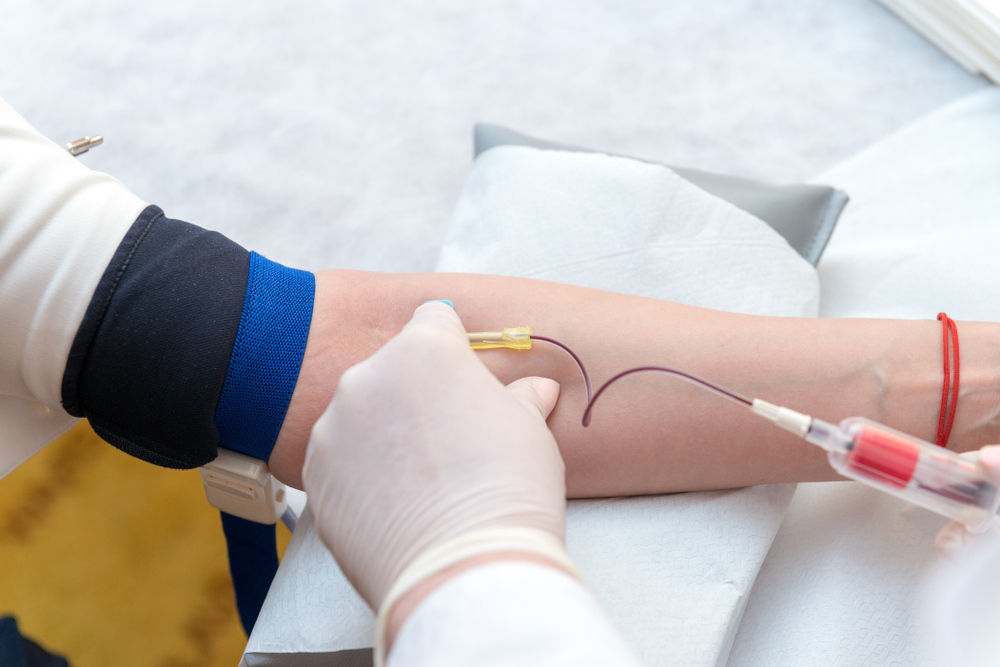
When ozone contacts blood during major autohemotherapy, the reactive oxygen species generated act as biological signals that trigger a cascade of cellular responses. One of the most important is the upregulation of antioxidant enzymes, particularly glutathione peroxidase, superoxide dismutase, and catalase. These enzymes are central to cellular detoxification because they neutralize the reactive byproducts of normal metabolism and environmental toxin processing.
At the same time, ozone therapy improves red blood cell oxygen delivery to tissues. Better oxygenation supports the energy-dependent processes of both liver detoxification and cellular waste clearance. Detoxification is metabolically expensive, requiring ATP at multiple steps of the process. Cells that receive more oxygen can sustain detoxification activity more effectively.
The O3UV approach adds ultraviolet blood irradiation, which provides antimicrobial activity alongside the ozone-driven oxidative and antioxidant effects. For people whose detoxification burden includes chronic low-grade infections or pathogen-derived toxins, this additional layer is particularly relevant.
3. Liver Support Through Ozone Therapy
The liver is the body’s primary detoxification organ, and it is where ozone therapy detox has the most direct and meaningful impact. Liver detoxification occurs in two phases.
Phase I involves cytochrome P450 enzymes converting fat-soluble toxins into intermediate compounds through oxidation, reduction, and hydrolysis reactions. These intermediate compounds are often more reactive than the original toxins, which is why Phase II must follow promptly.
Phase II involves conjugation reactions that attach molecules such as glutathione, sulfate, or glucuronic acid to the Phase I intermediates, rendering them water-soluble and ready for excretion through bile or urine.
Ozone therapy supports both phases. By upregulating glutathione enzyme production and improving cellular oxygenation, it provides resources for both the oxidative Phase I reactions and the glutathione-dependent Phase II conjugation step. According to research published in the European Journal of Pharmacology, ozone activates the Nrf2 pathway, a master regulator of cellular antioxidant and detoxification gene expression that directly influences Phase II enzyme activity.
For people who want to further support hepatic detoxification alongside ozone therapy, combining sessions with IV drip therapy that includes glutathione provides the liver with direct antioxidant substrate support during the detoxification process.
4. Cellular Cleanup and Oxidative Stress Reduction
Beyond the liver, ozone therapy detox extends to cellular-level cleanup through its effects on oxidative stress. Oxidative stress is itself a form of internal toxic burden: accumulated reactive oxygen species damage cell membranes, proteins, and DNA, and interfere with normal cellular function.
Ozone therapy’s induction of antioxidant enzyme upregulation reduces this oxidative burden at the cellular level. Cells that were previously accumulating oxidative damage begin to neutralize and clear that damage more efficiently. The result is a reduction in the internal oxidative toxic load that impairs cellular function even when external toxin exposure is not the primary concern.
This is also why ozone therapy detox is particularly relevant for people dealing with chronic inflammation. Inflammatory processes generate significant oxidative byproducts that accumulate in tissues and perpetuate the inflammatory cycle. Reducing the oxidative burden through ozone therapy interrupts this cycle, which connects directly to the mechanisms explored in ozone therapy for inflammation.
5. Lymphatic and Circulatory Support
The lymphatic system plays a critical role in detoxification by collecting cellular waste, debris, and pathogens from tissues and transporting them to lymph nodes for processing before elimination. Unlike the circulatory system, the lymphatic system has no pump. It relies on muscle movement, breathing, and circulation to move lymphatic fluid through the body.
Ozone therapy improves microcirculation, the flow of blood through the smallest blood vessels and capillary beds. Better microcirculation supports lymphatic drainage by improving the fluid dynamics in tissues, helping cellular waste reach lymphatic channels more efficiently.
Improved red blood cell deformability, another documented effect of ozone therapy, allows red blood cells to navigate narrow capillaries more effectively, delivering oxygen and nutrients to tissues while supporting the removal of metabolic waste.
6. What Ozone Therapy Detox Does Not Do
Being clear about what ozone therapy detox does not do is as important as explaining what it does.
Ozone therapy does not directly extract heavy metals from tissue. Heavy metal chelation requires specific chelating agents that bind metal ions and carry them out of the body through urine. Ozone therapy can support the liver and antioxidant systems involved in managing heavy metal toxicity, but it is not a chelation therapy.
Ozone therapy does not cleanse the colon or gut in the way that colonics or ozone insufflation are sometimes promoted. Ozone insufflation has its own distinct applications, but the systemic detox benefits of ozone therapy come from the bloodstream effects described above, not from intestinal cleansing.
Ozone therapy does not work instantaneously. The detoxification support it provides builds over a series of sessions as antioxidant enzyme levels increase and circulatory function improves cumulatively.
7. Who Benefits Most From Ozone Therapy for Detox
People who tend to see the most meaningful results from ozone therapy detox share certain patterns.
High toxic load. People with significant occupational or environmental chemical exposure, those who have consumed alcohol heavily, or those managing the aftermath of extended pharmaceutical use often have overwhelmed hepatic and cellular detoxification systems that benefit from the kind of antioxidant and liver support ozone therapy provides.
Chronic fatigue with no clear cause. Accumulated oxidative burden and toxin-related mitochondrial impairment are underrecognized contributors to chronic fatigue. Ozone therapy detox addresses both by reducing oxidative load and improving cellular energy capacity.
People preparing for or recovering from significant health changes. Both major surgical procedures and significant illness place heavy demands on the body’s detoxification and repair systems. Ozone therapy can support both the preparation and recovery phases.
Those combining multiple wellness approaches. Ozone therapy detox is particularly complementary with glutathione IV therapy, which directly supplies the primary Phase II conjugation molecule the liver needs. For a complete overview of what sessions look like and how to support your body between them, this ozone therapy aftercare guidecovers the practical steps that maximize results.
8. What to Expect From a Detox-Focused Protocol
A detox-focused ozone therapy protocol typically involves a series of major autohemotherapy sessions, often combined with O3UV therapy for the additional antimicrobial and immune-modulating effects of ultraviolet blood irradiation.
Sessions run 45 to 75 minutes. Mild fatigue following a session is common as the body actively processes the oxidative stimulus and carries out the cellular cleanup work it initiates. Staying well-hydrated after sessions is particularly important during a detox protocol, as water is essential to the excretion processes that complete the detoxification cycle.
Most providers recommend three to ten sessions for a meaningful detox protocol, with frequency adjusted based on individual health status and the degree of toxic burden being addressed. Some people benefit from monthly maintenance sessions to sustain the antioxidant and circulatory improvements achieved during the initial protocol.
9. FAQ
How many ozone therapy sessions are needed for detox support?
For a meaningful detox protocol, most practitioners recommend between three and ten sessions depending on the individual’s toxic burden and health status. A provider will assess your history and goals and recommend an appropriate series. Monthly maintenance sessions are common after the initial protocol to sustain the antioxidant and circulatory improvements achieved.
Can ozone therapy detox help with alcohol-related liver stress?
Ozone therapy supports the liver’s antioxidant and detoxification capacity, both of which are taxed by significant alcohol consumption. It is not a medical treatment for liver disease or alcoholic liver damage. For people looking to support their liver following a period of heavy alcohol use, ozone therapy may be a useful complementary approach alongside appropriate medical guidance and lifestyle changes.
Is ozone therapy detox the same as a juice cleanse or colon cleanse?
No. Juice cleanses and colon cleanses operate on entirely different principles and have much weaker biological rationale than ozone therapy detox. Ozone therapy works through documented mechanisms involving antioxidant enzyme induction, liver support, and circulatory improvement. These are specific, measurable biological effects rather than the vague claims associated with many commercial detox products.
Should I change my diet during an ozone therapy detox protocol?
Supporting ozone therapy detox with an anti-inflammatory, nutrient-dense diet amplifies results meaningfully. Reducing processed food, alcohol, and sugar reduces the ongoing toxic input your detoxification systems are working to manage. Increasing fresh vegetables, clean protein, and healthy fats gives your liver and cells the nutritional substrate they need to carry out detoxification efficiently during the protocol.
Can ozone therapy detox cause side effects?
The most commonly reported experience during a detox protocol is temporary fatigue following sessions, particularly in the early sessions when the body’s detoxification activity increases significantly. Some people experience mild Herxheimer-like reactions, a brief worsening of how they feel as pathogens and cellular debris are processed and cleared. These effects are temporary and generally considered a sign that the protocol is working. Staying hydrated and resting adequately after sessions minimizes discomfort.
10. Want to Learn Whether Ozone Therapy Detox Is Right for Your Situation?
Ozone therapy detox is grounded in specific, well-documented biological mechanisms: antioxidant enzyme upregulation, Nrf2 pathway activation, liver Phase II support, improved cellular oxygenation, and better microcirculatory function. It is not a magic cleanse or a marketing concept. It is a biologically rational approach to supporting the systems your body already uses for detoxification, helping them work more efficiently under the conditions that modern life creates.
If you are considering ozone therapy as part of a detoxification or wellness protocol, a consultation with a qualified provider is the right starting point. Learn more about O3UV therapy and what sessions involve before your first appointment.
Key Takeaways
Ozone therapy offers a scientifically grounded approach to supporting your body’s natural detoxification processes but it works best when you understand what it actually does and doesn’t do. By targeting oxidative stress, enhancing liver function, improving lymphatic circulation, and boosting antioxidant enzyme activity at the cellular level, ozone therapy addresses detoxification from the inside out in ways that juice cleanses and trendy wellness protocols simply can’t replicate. It’s not a heavy metal chelator or a colon cleanse, it’s a systemic support therapy that works gradually and cumulatively, making it most effective for those dealing with chronic fatigue, high toxic load, or recovering from significant health changes. If you’re considering ozone therapy as part of a serious detox or wellness protocol, a consultation with a qualified provider is the essential first step to ensure it’s the right fit for your individual health needs.
Ready to Find Out If Ozone Therapy Is Right for You?
Your detox journey deserves more than a one-size-fits-all approach. At Island Infusion, our experienced team will assess your individual health status, toxic burden, and wellness goals to build a protocol designed specifically for your body.
Disclaimer: This content is for informational purposes only and is not intended to diagnose, treat, cure, or prevent any disease or medical condition. Always consult a qualified healthcare professional before beginning any new therapy.
References
Re, L., Martinez-Sanchez, G., Bordicchia, M., Malcangi, G., Pocognoli, A., Morales-Segura, M. A., Rothchild, J., & Rojas, A. (2014). Is ozone pre-conditioning effect linked to Nrf2/EpRE activation pathway in vivo? A preliminary result. European Journal of Pharmacology, 742, 158–162. https://pubmed.ncbi.nlm.nih.gov/25218903/
Anxiety is one of the most prevalent wellness challenges of the modern era, and it is also one of the most biologically complex. While therapy, lifestyle changes, and in some…
Vitamin C is one of the most studied nutrients in human physiology, and yet most people dramatically underestimate what it can do when delivered at concentrations that oral supplementation simply…
Ozone therapy for weight loss is a topic that requires an honest conversation before anything else. If you are looking for a therapy that melts fat without lifestyle changes, this…
If you have been exploring IV therapy options, you have almost certainly come across the Myers Cocktail. It is the most widely recognized IV nutrient formula in integrative medicine, and…