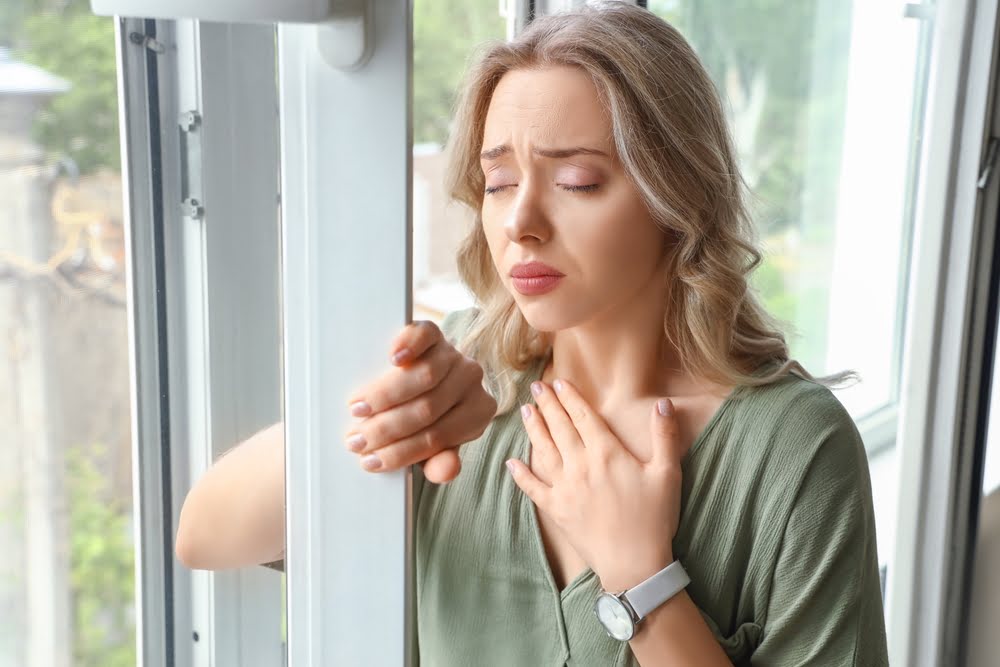
Anxiety is one of the most prevalent wellness challenges of the modern era, and it is also one of the most biologically complex. While therapy, lifestyle changes, and in some cases medication remain the primary tools for managing anxiety disorders, a growing body of research points to the role that oxidative stress, neuroinflammation, and HPA axis dysregulation play in sustaining and amplifying anxious states, and these are precisely the areas where ozone therapy for anxiety has a mechanistically grounded contribution to make.
This guide covers the biological connections between oxidative stress and anxiety, how ozone therapy addresses those connections, what the research supports, and how to frame expectations honestly before considering ozone therapy as part of your wellness approach.
1. The Biology of Anxiety That Most Treatments Do Not Address
Anxiety is most commonly understood as a psychological condition, and it is treated primarily through cognitive behavioral approaches and pharmaceutical interventions targeting neurotransmitter systems. Both of these approaches have genuine value for many people.
What they less often address is the biological substrate that can sustain and amplify anxiety independently of psychological triggers. Three physiological conditions are now well-documented as contributors to anxiety that persist even when psychological approaches are applied effectively.
Oxidative stress in neural tissue impairs the precise neurochemical signaling that regulates emotional responses, fear processing, and stress reactivity.
Neuroinflammation activates immune pathways in the brain that drive anxiety-like states by altering neurotransmitter metabolism and activating the stress response system.
HPA axis dysregulation produces abnormal cortisol patterns, elevated baseline cortisol, and blunted stress recovery responses that maintain a chronic state of physiological arousal.
Ozone therapy for anxiety addresses all three of these biological contributors through mechanisms that are distinct from both pharmaceutical and psychological interventions.
2. Oxidative Stress and Anxiety
The relationship between oxidative stress and anxiety is supported by a substantial body of research. Multiple studies have documented elevated markers of oxidative stress in individuals with anxiety disorders compared to healthy controls, and antioxidant interventions have been shown to reduce anxiety measures in affected populations.
The mechanism involves the sensitivity of the brain’s fear and stress-response networks to free radical damage. The amygdala and prefrontal cortex, two brain regions central to anxiety regulation, are particularly vulnerable to oxidative damage because of their high metabolic activity and relatively modest antioxidant defenses compared to other tissues.
When oxidative stress accumulates in these regions, it disrupts the GABAergic signaling that normally suppresses excessive fear responses and promotes the glutamatergic excitation that amplifies threat perception. The result is a neurochemical environment that is biologically primed for heightened anxiety responses to ordinary stressors.
Ozone therapy for anxiety addresses this through its well-documented induction of antioxidant enzymes including superoxide dismutase, catalase, and glutathione peroxidase. By reducing the systemic oxidative burden, ozone therapy reduces the oxidative pressure on the neural systems that regulate anxiety, supporting more appropriate and less reactive stress responses.
3. Neuroinflammation and Its Role in Anxiety
Neuroinflammation refers to inflammatory processes occurring within the brain and central nervous system. Research over the past decade has established neuroinflammation as a significant contributor to anxiety, depression, and related mood disorders through several mechanisms.
Pro-inflammatory cytokines cross the blood-brain barrier and activate microglia, the immune cells of the central nervous system. Microglial activation produces inflammatory signals that alter neurotransmitter metabolism, particularly the breakdown of tryptophan away from serotonin synthesis and toward pro-inflammatory metabolites that amplify neuronal excitability.
The result is a neurochemical environment with reduced serotonergic tone, elevated excitatory signaling, and activated stress response pathways, a combination that sustains anxiety regardless of the psychological strategies applied to manage it.
Ozone therapy’s documented cytokine-modulating effects, which reduce pro-inflammatory cytokine activity systemically, may reduce the peripheral inflammatory burden that drives neuroinflammation. While ozone therapy does not directly cross the blood-brain barrier, systemic reduction of inflammatory signals reduces the peripheral inflammation that triggers central immune activation through inflammatory signaling pathways.
For more on how ozone therapy modulates the inflammatory mechanisms relevant to both physical and neurological conditions, this overview of ozone therapy for inflammation covers the mechanisms in detail.
4. The HPA Axis and Cortisol Dysregulation
The hypothalamic-pituitary-adrenal (HPA) axis is the body’s central stress response system. It governs the release of cortisol in response to perceived threats and normally returns to baseline once the stressor has passed. In people with chronic anxiety, the HPA axis often becomes dysregulated, producing abnormally elevated baseline cortisol, exaggerated cortisol responses to minor stressors, and impaired recovery of cortisol to baseline following stress.
This dysregulation is both a consequence and a driver of anxiety. Chronically elevated cortisol promotes neuronal vulnerability in stress-regulating brain regions, reduces hippocampal volume over time, and impairs the prefrontal cortex’s ability to inhibit amygdala-driven fear responses.
Ozone therapy for anxiety is relevant to HPA axis function through its reduction of the oxidative stress and inflammation that drive HPA dysregulation. Research has established that oxidative burden in the adrenal glands impairs the precision of cortisol signaling. By reducing systemic oxidative stress, ozone therapy supports more normal adrenal function and more appropriate cortisol dynamics.
Combining ozone therapy with IV drip therapy that includes magnesium amplifies this effect, since magnesium is a direct modulator of HPA axis activity and GABA receptor function, and IV delivery achieves the plasma concentrations needed to support these mechanisms most effectively.
5. How Ozone Therapy for Anxiety Works
The specific mechanisms through which ozone therapy for anxiety produces its effects involve the three biological contributors described above, addressed through the oxidative preconditioning process at the center of all ozone therapy applications.
When ozone contacts blood during major autohemotherapy, it generates reactive oxygen species in controlled amounts that trigger antioxidant enzyme upregulation, cytokine modulation, and improved tissue oxygenation. Applied to the biological drivers of anxiety, these effects translate to:
Reduced oxidative burden on neurological stress-regulation systems
Lower pro-inflammatory cytokine activity that drives neuroinflammation
Improved adrenal tissue oxygenation supporting more normal cortisol signaling
Better neural tissue oxygenation supporting clearer, more regulated cognitive and emotional processing
The O3UV therapy approach adds ultraviolet blood irradiation, which provides additional immune modulation that complements ozone therapy’s anti-inflammatory and antioxidant effects.
6. What the Research Shows
Direct research specifically examining ozone therapy for anxiety in human subjects is limited, but the mechanistic research connecting ozone therapy’s documented effects to the biological drivers of anxiety is substantial.
A review published in Frontiers in Psychiatry documented the bidirectional relationship between systemic inflammation, oxidative stress, and anxiety disorders, establishing the biological pathway through which ozone therapy’s antioxidant and anti-inflammatory effects are relevant to anxiety management.
Research in Oxidative Medicine and Cellular Longevity documented the connection between Nrf2 pathway activation, which ozone therapy is known to trigger, and neurological protection from oxidative damage in stress-response circuits, providing a specific mechanistic link between ozone therapy’s known effects and the neural systems implicated in anxiety.
A study in Psychoneuroendocrinology documented that HPA axis dysregulation and cortisol abnormalities are driven in part by systemic oxidative stress and inflammatory burden, supporting the relevance of anti-inflammatory and antioxidant interventions for HPA axis normalization in anxious populations.
Practitioners working with ozone therapy clinically consistently report patient-reported improvements in stress tolerance, perceived anxiety levels, and sleep quality across protocols designed for other primary goals, which aligns with the mechanistic case even in the absence of dedicated anxiety-specific ozone therapy trials.
7. Who May Benefit From Ozone Therapy for Anxiety
Ozone therapy for anxiety is most relevant for people whose anxiety has a significant biological component alongside its psychological dimensions.
People with anxiety accompanied by significant physical fatigue, brain fog, and post-exertional worsening often have an oxidative and inflammatory component driving their symptoms. Ozone therapy’s antioxidant and anti-inflammatory effects address this biological substrate directly.
People whose anxiety is associated with chronic stress, adrenal fatigue patterns, or elevated inflammatory markers may benefit from ozone therapy’s HPA axis and cytokine-modulating effects alongside appropriate stress management interventions.
People who have addressed the psychological dimensions of their anxiety through therapy but still experience a persistent physiological residual of heightened arousal and reactivity may find that ozone therapy addresses the biological layer that psychological intervention alone has not resolved.
It is important to state clearly that ozone therapy is not a treatment for anxiety disorders as diagnosed conditions. It is a complementary wellness approach that addresses specific biological conditions connected to anxiety. People with clinical anxiety disorders should continue appropriate medical and psychological management and discuss ozone therapy with their care team before adding it to their protocol.
8. How to Integrate Ozone Therapy Into an Anxiety Wellness Plan
Ozone therapy for anxiety works best as part of a comprehensive approach rather than a standalone intervention. Here is how to think about integration.
Maintain psychological support. Ozone therapy addresses biological contributors to anxiety but does not replace the cognitive and behavioral tools that build psychological resilience and reframe anxious thinking patterns. Both are needed for comprehensive anxiety management.
Support with magnesium IV therapy. Magnesium’s role in GABA receptor function, HPA axis modulation, and nervous system regulation makes it one of the most direct nutritional complements to ozone therapy for anxiety goals. Combining the two in a wellness protocol addresses both the oxidative-inflammatory biology and the neurotransmitter and hormonal foundations of anxiety simultaneously. More on how magnesium IV therapy supports the nervous system is covered in the dedicated guide.
Prioritize sleep. Sleep deprivation amplifies HPA axis reactivity and increases oxidative stress, working directly against ozone therapy’s benefits. Supporting sleep quality between sessions through good sleep hygiene and, where appropriate, sleep-supportive IV nutrients, amplifies the anxiety-relevant outcomes of the ozone protocol.
Reduce inflammatory dietary inputs. Pro-inflammatory dietary patterns, high in refined sugar, processed foods, and unhealthy fats, sustain the inflammatory burden that ozone therapy works to reduce. An anti-inflammatory diet during an ozone protocol supports the cytokine-modulating effects of each session.
9. Frequently Asked Questions
Is ozone therapy a replacement for anxiety medication?
No. Ozone therapy is a complementary wellness approach, not a pharmaceutical intervention or medical treatment. It does not replace prescribed anxiety medications, and stopping or changing medications should only be done under the direct guidance of your prescribing physician. Ozone therapy may be a useful addition to a broader anxiety management plan, but it does not substitute for appropriate medical or psychological care.
How many ozone therapy sessions are needed for anxiety-related benefits?
Most practitioners recommend an initial series of six to ten sessions for anxiety and stress-related goals. Improvements in stress tolerance, perceived anxiety, and sleep quality typically build progressively across the series rather than appearing after a single session. Your provider will assess your response and adjust the protocol based on how you are progressing.
Can ozone therapy help with panic attacks?
Panic attacks are acute manifestations of anxiety that involve rapid-onset neurological and physiological responses. Ozone therapy’s cumulative anti-inflammatory and antioxidant effects may reduce the baseline biological reactivity that makes panic attacks more likely in susceptible individuals, but it does not provide acute relief during a panic episode. It is most relevant as a protocol-based complementary approach rather than an acute intervention.
Is ozone therapy safe for people on SSRIs or other psychiatric medications?
In most cases, ozone therapy does not directly interact with SSRIs, SNRIs, or other common psychiatric medications. However, disclosing all medications to your ozone therapy provider before your first session is essential. Certain medications affecting blood clotting, immune function, or oxidative metabolism may require protocol adjustments. Always keep your prescribing psychiatrist or physician informed about any wellness therapies you are adding to your regimen.
Can combining ozone therapy with magnesium IV therapy improve anxiety outcomes?
Yes, and many practitioners recommend this combination specifically for anxiety and stress-related goals. Magnesium directly supports GABA receptor function and HPA axis modulation while ozone therapy addresses the oxidative and inflammatory contributors to anxiety. The two approaches work through different but complementary mechanisms that together address more of the biological terrain relevant to anxiety than either achieves independently.
Key Takeaways
Ozone therapy for anxiety addresses biological contributors to anxious states including oxidative stress in neural tissue, systemic neuroinflammation, and HPA axis dysregulation, rather than psychological triggers.
Oxidative stress impairs GABAergic and glutamatergic balance in brain regions central to anxiety regulation. Ozone therapy’s antioxidant enzyme induction reduces this biological driver.
Neuroinflammation driven by pro-inflammatory cytokines alters neurotransmitter metabolism toward anxiety-sustaining patterns. Ozone therapy’s cytokine-modulating effects address this systemic inflammatory driver.
HPA axis dysregulation producing abnormal cortisol patterns is both a consequence and a driver of anxiety. Ozone therapy’s reduction of oxidative adrenal burden supports more appropriate cortisol dynamics.
Ozone therapy is not a treatment for anxiety disorders as diagnosed conditions. It is a complementary wellness approach for people whose anxiety has a significant biological component.
The strongest results for anxiety-related goals come from combining ozone therapy with magnesium IV therapy, sleep support, anti-inflammatory nutrition, and appropriate psychological care.
Want to Explore Whether Ozone Therapy Fits Your Wellness Needs?
A consultation with a qualified provider is the right starting point for assessing whether ozone therapy makes sense for your specific situation. Learn more about O3UV therapy and what sessions involve before your first appointment.
Disclaimer: This content is for informational purposes only and is not intended to diagnose, treat, cure, or prevent any disease or medical condition. Always consult a qualified healthcare professional before beginning any new therapy.
Anxiety is one of the most prevalent wellness challenges of the modern era, and it is also one of the most biologically complex. While therapy, lifestyle changes, and in some…
Vitamin C is one of the most studied nutrients in human physiology, and yet most people dramatically underestimate what it can do when delivered at concentrations that oral supplementation simply…
Ozone therapy for weight loss is a topic that requires an honest conversation before anything else. If you are looking for a therapy that melts fat without lifestyle changes, this…
If you have been exploring IV therapy options, you have almost certainly come across the Myers Cocktail. It is the most widely recognized IV nutrient formula in integrative medicine, and…