Zinc IV Therapy: What It Does and Who Actually Needs It
- Shannon Morley
- October 11, 2026
- 10 min read
IV Therapy
Table of Contents
- 1. Why Zinc Matters More Than Most People Realize
- 2. The Problem With Oral Zinc Absorption
- 3. What Zinc IV Therapy Is and How It Is Delivered
- 4. What Zinc Does in the Body
- 5. Signs and Causes of Zinc Deficiency
- 6. Who Benefits Most From Zinc IV Therapy
- 7. How Zinc IV Therapy Fits With Other IV Nutrients
- 8. What to Expect From a Zinc IV Therapy Session
- 9. Frequently Asked Questions
- 10. Key Takeaways
Zinc is not a mineral most people think about until something goes wrong. Wounds that do not heal well, recurring infections, taste or smell changes, hair thinning, or persistent fatigue are among the first signs that zinc status may be inadequate. Because zinc is involved in more than 300 enzymatic reactions in the body, the downstream effects of even moderate deficiency are wide-ranging and often mistaken for other causes.
Zinc IV therapy addresses deficiency by delivering zinc directly into the bloodstream, bypassing the absorption limitations in the gastrointestinal tract that make oral zinc supplementation unreliable for many people. This guide covers what zinc does in the body, what compromises zinc status, who zinc IV therapy is most relevant for, and what to expect from an IV zinc protocol.
1. Why Zinc Matters More Than Most People Realize
Among the minerals the body requires, zinc occupies an unusually central role. It is a structural component of proteins and DNA, a cofactor for hundreds of enzymes, and an essential regulator of immune signaling. Unlike iron or calcium, the body does not maintain large zinc stores. It relies on consistent dietary intake and absorption to sustain the zinc levels required for the enzymatic, structural, and immune functions it supports.
This lack of storage means that disruptions to zinc intake or absorption can produce functional deficiency relatively quickly. And because zinc deficiency affects so many systems simultaneously, the symptoms are diffuse and easy to attribute to other causes. Zinc IV therapy is particularly valuable in this context because it establishes adequate zinc levels even when dietary and oral supplement approaches are not producing the tissue concentrations needed for optimal function.
2. The Problem With Oral Zinc Absorption
Zinc absorbed through oral supplements or food faces several barriers in the gastrointestinal tract. Phytates found in grains and legumes bind zinc and significantly reduce its absorption. Competing minerals including iron and calcium, commonly found in multivitamin formulations alongside zinc, further reduce absorption when taken together. Gastrointestinal conditions including Crohn’s disease, celiac disease, short bowel syndrome, and any condition that causes chronic diarrhea or malabsorption reduce zinc absorption substantially.
Even in healthy people, zinc absorption from dietary sources is typically between 20% and 40% of what is consumed. Oral zinc supplement bioavailability varies considerably depending on formulation, with some forms absorbed more efficiently than others, but even optimized oral supplementation cannot match the predictability and completeness of intravenous delivery.
Zinc IV therapy delivers zinc directly into the bloodstream as part of a formulated IV solution, bypassing the gastrointestinal absorption process entirely. This means the delivered amount is the available amount, making zinc IV therapy both more predictable and more effective than oral routes for people with absorption limitations or established deficiency.
3. What Zinc IV Therapy Is and How It Is Delivered
Zinc IV therapy is the intravenous delivery of zinc as part of a formulated saline or dextrose-based IV solution. Rather than passing through the digestive system, zinc enters the bloodstream directly through a standard IV line placed at the arm or hand. From there it becomes immediately available to tissues, immune cells, and enzymatic processes throughout the body without the absorption losses that reduce oral zinc’s reliability.
Zinc is not typically delivered as a standalone single-mineral IV. It is most commonly formulated as part of a multi-nutrient IV solution alongside complementary nutrients such as vitamin C, magnesium, B vitamins, and glutathione, depending on the protocol and the patient’s specific wellness goals. This multi-nutrient approach reflects how zinc functions in the body: not in isolation, but in concert with other micronutrients that support the same enzymatic and immune pathways.
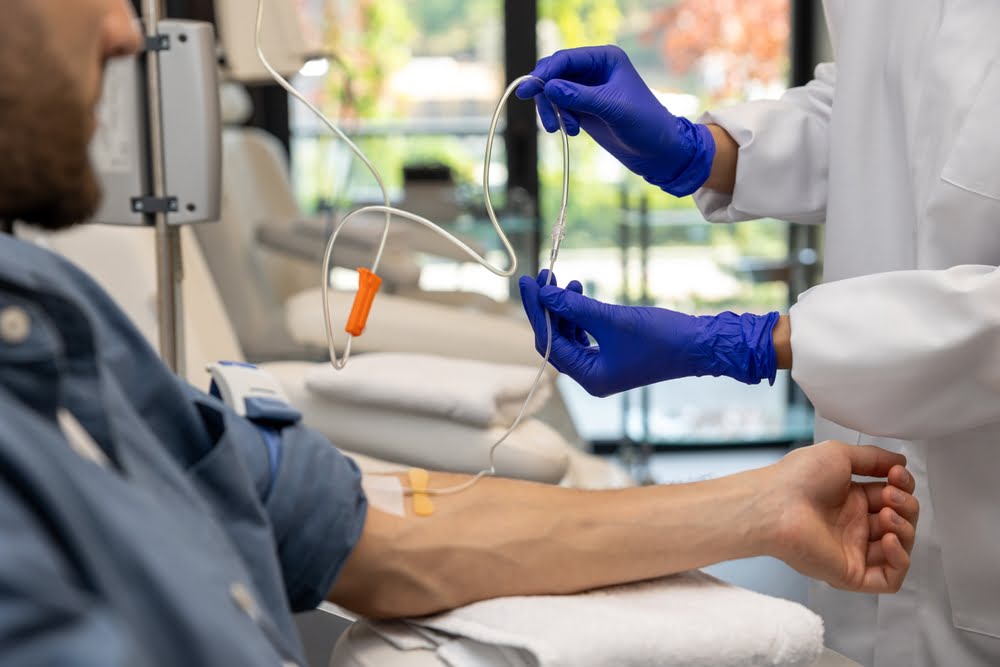
A zinc IV session follows the same basic structure as any IV therapy appointment. A provider places a small catheter into a vein, typically at the antecubital area of the arm, and the IV solution infuses over 30 to 60 minutes depending on the total volume and formulation. The infusion rate is controlled to minimize the metallic taste that zinc delivery commonly produces during the session. Most people tolerate zinc IV therapy comfortably and resume normal activity immediately afterward.
Dosing is determined by the provider based on assessed zinc status, the reason for treatment (repletion versus maintenance versus acute immune support), and what other nutrients are included in the same session. Blood testing before the initial session provides the baseline zinc level that guides appropriate dosing rather than applying a uniform amount regardless of individual status.
4. What Zinc Does in the Body
To understand who needs zinc IV therapy and why, it helps to understand what zinc actually does in the body at the functional level.
Immune regulation. Zinc is essential for the development and function of virtually every immune cell type: neutrophils, natural killer cells, macrophages, T-cells, and B-cells all require adequate zinc for proper function. Zinc also serves as a direct antiviral agent, interfering with viral replication processes particularly in respiratory viruses. Zinc deficiency produces a state of immune dysregulation characterized by impaired cellular immunity and increased susceptibility to infection.
Enzyme cofactor activity. Zinc is a structural cofactor for more than 300 enzymes spanning virtually every major metabolic pathway in the body. These include enzymes involved in DNA synthesis and repair, protein synthesis, antioxidant defense (superoxide dismutase), and carbohydrate metabolism. This breadth of enzymatic involvement explains why zinc deficiency produces such wide-ranging effects on cellular function.
Wound healing and tissue repair. Zinc plays a specific role in each phase of wound healing: inflammation regulation, cell proliferation, and tissue remodeling. Fibroblasts and epithelial cells that rebuild damaged tissue are particularly zinc-dependent. Zinc deficiency is associated with impaired wound healing, reduced collagen synthesis, and poor tissue repair outcomes following surgery, injury, or chronic wound conditions.
Taste, smell, and neurological function. Zinc-dependent enzymes are required for normal taste and smell receptor function. Zinc deficiency is among the established causes of taste disturbance (dysgeusia) and smell changes (hyposmia). These symptoms are particularly well-documented in populations with confirmed zinc deficiency and respond measurably to zinc repletion.
Antioxidant defense. Zinc is a component of copper-zinc superoxide dismutase, one of the body’s primary antioxidant enzymes. It also stabilizes cell membranes against oxidative damage. This antioxidant role makes zinc status relevant to the broader discussion of oxidative burden and inflammation, connecting zinc IV therapy naturally to complementary IV antioxidant approaches that target the same oxidative pathways.
5. Signs and Causes of Zinc Deficiency
Zinc deficiency exists on a spectrum from severe clinical deficiency, rare in high-income countries, to moderate functional deficiency that is considerably more common and frequently undiagnosed.
Signs that may indicate inadequate zinc status:
- Frequent infections or unusually prolonged recovery from illness
- Slow-healing wounds, skin lesions, or post-surgical healing complications
- Changes in taste or smell without obvious cause
- Hair thinning or increased shedding
- Persistent fatigue and poor exercise recovery
- Skin conditions including acne, eczema, or dermatitis
- Poor appetite
- Cognitive fog or difficulty concentrating
Groups with elevated risk of zinc deficiency:
- People with Crohn’s disease, ulcerative colitis, celiac disease, or other malabsorption conditions
- People following strict plant-based diets without careful zinc sourcing, given the phytate burden in plant foods
- People with chronic alcohol use, which increases zinc excretion and reduces absorption
- Older adults, in whom zinc absorption typically declines
- Pregnant and breastfeeding individuals, given elevated physiological demand
- People with chronic kidney disease, in whom zinc excretion is altered
- Anyone with chronic diarrhea or short bowel syndrome
6. Who Benefits Most From Zinc IV Therapy
Zinc IV therapy is most appropriate for people who have established or suspected zinc deficiency that has not responded adequately to oral supplementation, or for whom oral supplementation is impractical due to gastrointestinal conditions or malabsorption.
It is also relevant for people who want to support immune function during periods of elevated immune demand, support wound healing after surgery or injury, or address the diffuse functional symptoms of suboptimal zinc status that may not meet the diagnostic threshold for frank deficiency but are producing real-world effects on immune response, energy, and recovery.
People who are already using ozone therapy or IV vitamin C therapy may find zinc IV therapy a meaningful addition to their protocol, as zinc, vitamin C, and ozone therapy address complementary aspects of immune function and antioxidant defense. The combination provides broader micronutrient coverage for people with complex immune or inflammatory wellness goals.
7. How Zinc IV Therapy Fits With Other IV Nutrients
Zinc does not operate in isolation in the body, and it does not work in isolation as part of an IV protocol. It pairs particularly well with the following.
Vitamin C. Zinc and vitamin C work together in immune function, wound healing, and antioxidant defense. The combination is synergistic for supporting collagen synthesis and immune cellular activity.
Magnesium. Zinc and magnesium interact in several enzymatic pathways. Many people who are zinc-deficient are also magnesium-deficient, particularly those with malabsorption conditions or poor dietary diversity.
Glutathione. Zinc’s role in superoxide dismutase activity complements the direct antioxidant activity of glutathione. Together they provide broader antioxidant coverage than either provides alone.
The Myers’ Cocktail IV formulation and other broad-spectrum IV drip therapy formulations often include zinc alongside B vitamins, vitamin C, and magnesium, making it possible to address zinc status as part of a comprehensive IV nutrient protocol rather than requiring a separate zinc-only session.
8. What to Expect From a Zinc IV Therapy Session
A zinc IV therapy session involves a standard IV placement, typically at the arm, and infusion of a zinc-containing IV solution over a period of 30 to 60 minutes depending on the formulation and the total zinc dose.
Zinc delivered by IV can produce a metallic taste in the mouth during infusion, which is normal and temporary. Nausea is possible if the infusion rate is too rapid. Qualified providers titrate the delivery rate to minimize these effects.
The frequency of zinc IV therapy depends on the reason for treatment. People addressing established deficiency typically complete an initial repletion series before transitioning to maintenance. Those using zinc IV therapy as part of a regular wellness and immune support protocol typically schedule it on a monthly or as-needed basis.
Blood zinc levels can be assessed before and after a protocol to confirm repletion and guide ongoing frequency decisions.
9. Frequently Asked Questions
How do I know if I need zinc IV therapy versus oral zinc supplementation?
If you have no malabsorption conditions and have not yet tried oral zinc supplementation, that is typically the appropriate first step. Zinc IV therapy becomes the more practical option when oral supplementation has not produced the improvements expected, when gastrointestinal conditions limit absorption, or when a provider recommends IV delivery based on confirmed deficiency and the clinical context. A qualified provider can assess your zinc status and recommend the appropriate delivery method.
Can zinc IV therapy be given alongside other IV nutrients in a single session?
Yes. Zinc is commonly included in multi-nutrient IV formulations alongside vitamin C, B vitamins, magnesium, and other nutrients. Your provider will determine the appropriate combination and dosing based on your specific wellness goals and health status.
Is there a risk of getting too much zinc from IV therapy?
Zinc toxicity from IV delivery is possible if dosed incorrectly, which is why zinc IV therapy should always be administered by qualified providers who calibrate dosing to your assessed needs. Chronic excess zinc can interfere with copper absorption and immune function. Dosing should be guided by blood zinc levels rather than applied uniformly without testing.
How many zinc IV therapy sessions are typically needed to address deficiency?
This depends on the severity of the deficiency and the patient’s response. Moderate deficiency may require a series of three to six sessions before transitioning to maintenance. Established deficiency with significant symptoms may require a longer initial repletion protocol. Blood testing before and during the protocol is the most reliable way to track progress and adjust session frequency accordingly.
What does zinc IV therapy feel like during infusion?
The most commonly reported sensation during zinc IV infusion is a metallic taste in the mouth, which is temporary and resolves once the infusion is complete. Some people notice mild warmth at the infusion site. Nausea is possible if the infusion rate is too fast; qualified providers use appropriate delivery rates to minimize this. Most people find the session comfortable.
Key Takeaways
- Zinc IV therapy delivers zinc directly into the bloodstream, bypassing the gastrointestinal absorption limitations that reduce the effectiveness of oral zinc for many people.
- Zinc supports more than 300 enzymatic reactions, immune cell function, wound healing, antioxidant defense, and taste and smell receptor activity. Deficiency produces wide-ranging and diffuse symptoms.
- Groups at highest risk for zinc deficiency include people with malabsorption conditions, plant-based dieters without careful planning, older adults, people with chronic alcohol use, and those with elevated physiological zinc demand.
- Zinc IV therapy is most appropriate for people with established deficiency that has not responded to oral supplementation, gastrointestinal conditions limiting absorption, or specific immune and wound healing wellness goals.
- Zinc pairs synergistically with vitamin C, magnesium, and glutathione in IV protocols that address immune function and oxidative stress comprehensively.
- Blood zinc levels should guide zinc IV therapy decisions to ensure appropriate repletion and maintenance without excess.
Ready to Assess Your Zinc Status and Explore IV Micronutrient Options?
A consultation with a qualified provider is the place to start. Review the IV drip therapy options available to understand how zinc fits into a broader IV wellness approach before your first visit.
Disclaimer: This content is for informational purposes only and is not intended to diagnose, treat, cure, or prevent any disease or medical condition. Zinc IV therapy is a wellness service and is not a substitute for medical treatment of zinc deficiency or any related condition. Always consult a qualified healthcare professional before beginning any new health protocol.
References:
- Prasad AS. Zinc is an antioxidant and anti-inflammatory agent: its role in human health. Front Nutr. 2014. https://www.frontiersin.org/articles/10.3389/fnut.2014.00014/full
- Saper RB, Rash R. Zinc: an essential micronutrient. Am Fam Physician. 2009. https://www.aafp.org/pubs/afp/issues/2009/0501/p768.html
- Calder PC, Carr AC, Gombart AF, Eggersdorfer M. Optimal nutritional status for a well-functioning immune system is an important factor to protect against viral infections. Nutrients. 2020. https://pubmed.ncbi.nlm.nih.gov/32340216/


O3UV Therapy vs UVB Phototherapy: What Are the Key Differences?

Fall Immune Support: How to Prepare Your Immune System Before Cold and Flu Season