Recovering from surgery takes time no matter how the procedure goes. Swelling, pain, and slow tissue healing are a normal part of the process. They can also be frustrating when you are eager to get back to normal life. This has led some patients to ask their providers about O3UV therapy for surgical recovery. They want to know if it can support healing alongside standard post-operative care.
This guide covers what actually happens to the body after surgery. It looks at what clinical research says about ozone therapy in surgical contexts. And it covers where O3UV therapy for surgical recovery realistically fits into a broader recovery plan, without overstating what the evidence shows.
1. What Happens to Your Body After Surgery
Any surgical procedure, however minor, creates a wound that the body needs to repair. In the hours after surgery, blood vessels near the incision site constrict to limit bleeding. They then dilate to allow immune cells and nutrients to reach the area. This triggers the first stage of healing.
Swelling follows soon after. Fluid builds up around the surgical site as the immune system responds to the tissue damage. This is a normal and necessary part of recovery. That fluid carries the cells responsible for clearing debris and starting tissue repair.
The challenge is that swelling also compresses small blood vessels. This can reduce oxygen delivery to the exact tissue that needs it most during the repair process. Reduced circulation is one reason healing sometimes takes longer than expected, particularly around the surgical site itself.
Surgical wounds generally move through three overlapping phases. The first is the inflammatory phase, which starts immediately and typically lasts three to five days. The second is the proliferative phase, when new tissue forms, usually lasting from a few days to several weeks depending on the procedure. The third is the remodeling phase, when tissue strengthens and matures, which can continue for months after the visible wound has closed. Anything that affects circulation or inflammation during these early phases can influence how the rest of the timeline unfolds.
2. Why Post-Surgical Inflammation Can Slow Healing
Inflammation after surgery follows a predictable pattern. It typically peaks within the first few days. It then gradually decreases as the tissue moves into the repair and remodeling phases described above.
A few factors can extend this inflammatory phase longer than usual:
Larger or more invasive procedures involving more tissue disruption
Underlying health conditions such as diabetes that affect circulation and healing
Infection at the surgical site, which restarts and prolongs the inflammatory response
Smoking, which reduces blood oxygen levels and slows tissue repair
Poor nutrition or dehydration in the days surrounding the procedure
Limited mobility after surgery, which can reduce circulation to the surrounding area
When inflammation lingers past the point where it is still helpful, it can delay wound closure. It can increase discomfort. It can also extend the overall recovery timeline. This is part of why post-operative care protocols place so much emphasis on managing swelling and inflammation early, often through elevation, compression, and closely monitored activity levels.
3. O3UV Therapy for Surgical Recovery: How It's Thought to Help
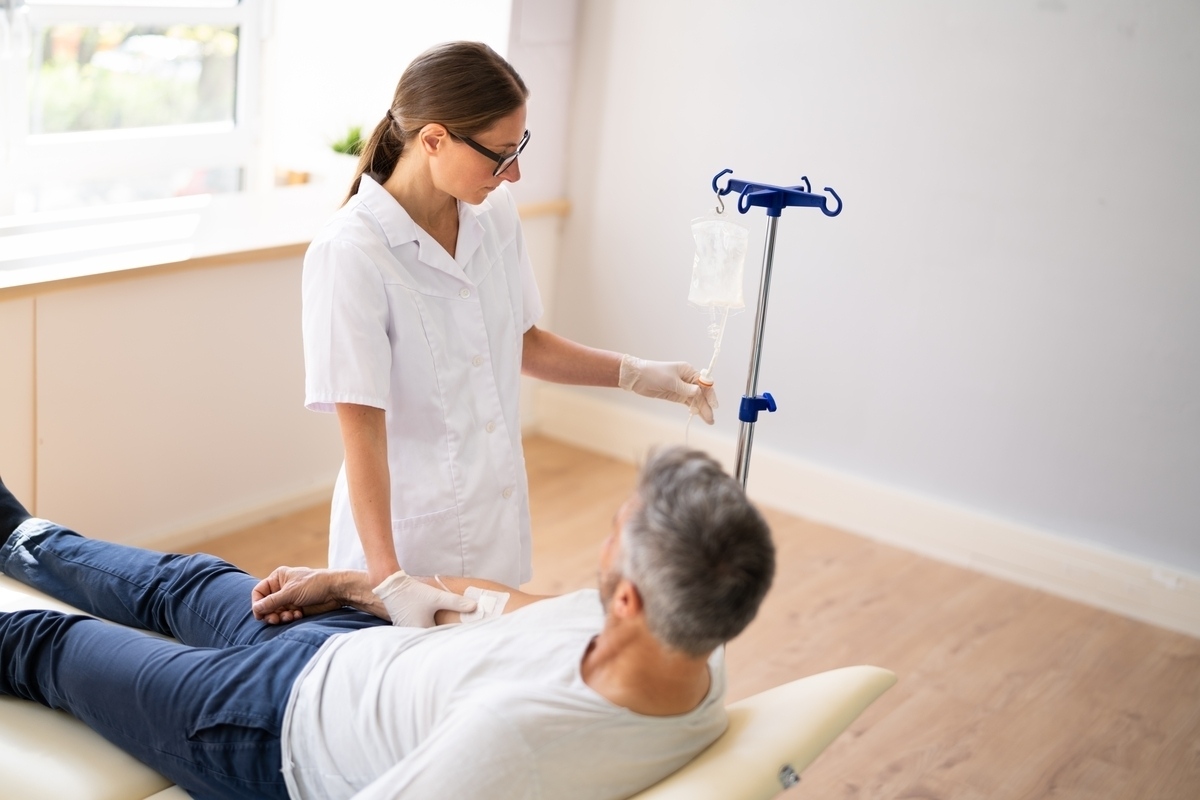
O3UV therapy for surgical recovery combines two treatments delivered in a single session. A small amount of blood is drawn. It is treated with a medical-grade ozone and oxygen mixture. It is then exposed to ultraviolet light and returned to the body through an IV line.
The reasoning behind O3UV therapy for surgical recovery centers on a few proposed effects. These include improved oxygen delivery to tissue, a reduction in pro-inflammatory signaling, and support for the immune system’s ability to clear damaged cells efficiently. The O3UV therapy service page covers the full mechanism behind both the ozone and UVB components in more detail.
Since reduced circulation to healing tissue is one of the reasons recovery slows down, treatments aimed at improving local oxygenation are a reasonable area of interest for post-surgical support. This is true at least in principle. Whether O3UV therapy for surgical recovery delivers on that principle in practice is best understood by looking directly at the clinical research, covered in the next two sections.
4. What Clinical Trials Show About Ozone and Surgical Healing
Most of the strongest clinical evidence for ozone therapy in surgical recovery comes from dental and oral surgery. Researchers have been able to run controlled trials comparing treated and untreated surgical sites in this setting more easily than in many other surgical fields.
According to a randomized controlled trial published in Cureus, patients who received ozone therapy during dental implant placement showed significantly lower pain scores at 24 and 48 hours after surgery. They also showed faster soft tissue healing at both 7 and 14 days, compared to patients who received standard care alone.
According to a systematic review and network meta-analysis in Clinical Oral Investigations, researchers compared several complementary treatments for pain after third molar surgery across 82 studies. Ozone therapy performed better than placebo at both the 72-hour and 7-day marks. That placed it among the more effective non-drug options studied in this analysis.
It is worth being clear about scope here. This evidence is strongest for dental and oral surgical procedures specifically, not for surgery in general. Extending these findings to O3UV therapy for surgical recovery after other types of procedures is a reasonable hypothesis based on shared biological mechanisms. It is not something that has been directly tested at the same level of rigor.
5. What the Evidence Shows for Spine and Back Surgery
Ozone therapy for surgical recovery has also been studied in a very different surgical context. This involves patients whose spine surgery did not fully resolve their pain, a condition known as failed back surgery syndrome.
According to a pilot study from the University of São Paulo’s Pain Center, 13 patients with persistent pain following spine surgery received ozone delivered directly into the epidural space. Over six months, patients experienced a 43.7 percent reduction in lower back pain. They also experienced a 60.9 percent reduction in leg pain and a 44 percent improvement in a standard disability index.
This is a small, uncontrolled pilot study. The ozone was also delivered locally rather than systemically through an IV, so it does not directly validate O3UV therapy for surgical recovery in its IV form specifically. It does, however, add to a growing body of research suggesting ozone’s anti-inflammatory effects extend to post-surgical pain in structurally different contexts than dental surgery.
6. Where This Fits Into a Post-Surgical Recovery Plan
None of the current evidence suggests O3UV therapy for surgical recovery should replace standard post-operative care. Following your surgeon’s instructions remains the foundation of any recovery plan. So does attending follow-up appointments and managing pain as directed.
People typically consider this option as a supplement to standard care in a few specific situations:
Recovery from a procedure that is progressing more slowly than expected
A history of slow wound healing due to an underlying condition
Interest in additional immune and circulatory support alongside standard aftercare
Already cleared by the surgical team to explore complementary options
People who ask about O3UV therapy for surgical recovery tend to fall into a few groups. This often includes:
Patients recovering from oral or dental surgery who want additional support for healing and comfort
Individuals with a history of slower-than-average recovery from past procedures
People managing chronic post-surgical pain, including cases resembling failed back surgery syndrome
Anyone who has discussed the option with their surgeon and received clearance to pursue additional supportive care
This is not appropriate in the immediate hours after a major operation without surgical team approval. It should also never be used as a substitute for monitoring signs of infection or surgical complications, which require prompt medical attention regardless of any complementary treatment plan.
8. What a Session Looks Like After Surgery
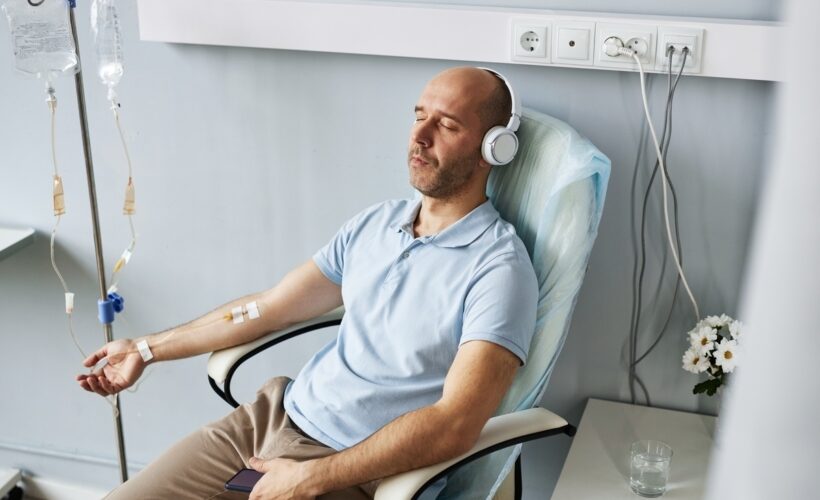
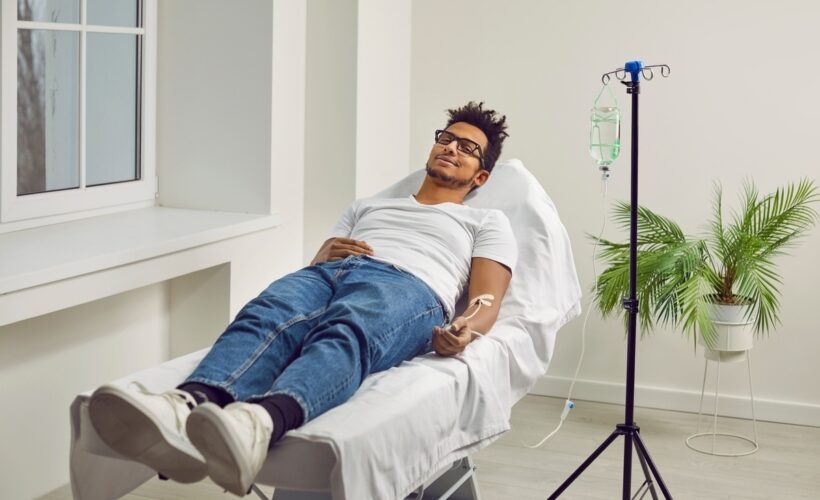
A typical session takes 45 to 75 minutes. It follows the same basic steps as other O3UV protocols: blood draw, ozone treatment, UVB exposure, and reinfusion through an IV line. Timing after surgery depends on the procedure and should be coordinated with your surgical team.
Mild fatigue for a few hours afterward is common. It generally resolves within a day. Because post-surgical support is usually about cumulative benefit rather than a single fix, a short series of sessions is more common than a one-time visit. This location page on ozone and UVB therapy for pain relief covers what an ongoing pain-focused treatment plan can look like for people managing discomfort during a longer recovery.
9. FAQ
How soon after surgery can someone start O3UV therapy?
This depends entirely on the procedure. It should be determined by your surgeon, not a fixed timeline. Some patients may need to wait until initial wound healing has progressed before adding any additional treatment.
Is there strong evidence this works for all types of surgery?
No. The strongest clinical trial evidence involves dental and oral surgery specifically. Evidence for other surgical contexts, including a small pilot study on spine surgery, is more limited. It should be understood as early rather than conclusive.
Can this replace pain medication after surgery?
No. O3UV therapy for surgical recovery is not a substitute for prescribed pain management or any part of your surgeon’s post-operative instructions. It is discussed as a possible complement, not a replacement.
Are there risks to combining this with recent surgery?
Any additional treatment after surgery should be cleared by the surgical team first. Individual healing status, medications, and surgical site considerations vary widely from one patient to the next. This is not a decision to make without that conversation.
How many sessions are typically recommended after surgery?
This varies based on the procedure and individual recovery progress. Some patients use a short series of sessions during the active healing window. Others incorporate it periodically based on how their recovery is going, in coordination with their provider.
Surgical recovery is rarely a straight line, and no single treatment changes that. For patients who have already followed their surgeon’s care plan and are looking for additional support, O3UV therapy for surgical recovery is a reasonable option to raise in that conversation. Realistic expectations about what the evidence currently shows matter just as much as the treatment itself.
Key Takeaways
Swelling slows healing. Post-surgical swelling reduces blood flow to tissue that urgently needs oxygen and nutrients to repair itself.
The strongest evidence is dental and oral. Randomized trials on O3UV therapy for surgical recovery in dental implant and third molar surgery show measurable reductions in pain and faster healing.
Other surgical evidence is early. A small pilot study on spine surgery adds support, but this evidence is far more limited than the dental research.
This complements, not replaces, surgical care. O3UV therapy for surgical recovery should always be discussed with and cleared by the surgical team first.
Wondering If This Fits Into Your Recovery Plan?
Every surgery and every recovery timeline looks different. If you are recovering from a procedure and want to understand whether O3UV therapy for surgical recovery could support your healing alongside your surgeon’s care plan, a conversation with a qualified provider is the right next step.
Disclaimer: This content is for informational purposes only and is not intended to diagnose, treat, cure, or prevent any disease or condition. Always consult your surgeon and a qualified healthcare provider before starting any new therapy after surgery.
References:
Shekhar A, Sikdar C, Srivastava S, Chaturvedi A, Bhatia LK, Sarkar D. The Efficacy of Ozone Therapy on Pain and Soft Tissue Healing Associated With the Surgical Placement of Dental Implants: A Randomized Controlled Trial. Cureus, 2025. https://pmc.ncbi.nlm.nih.gov/articles/PMC12229820/
Complementary and alternative therapies for managing postoperative pain after lower third molar surgery: a systematic review and network meta-analysis. Clinical Oral Investigations, 2024. https://link.springer.com/article/10.1007/s00784-024-05625-2
Magalhães FNO, Soares SC, Torres JM, Ungaretti A, Cacciacarro MF, Teixeira MJ, Fonoff ET. Effects of ozone applied by spinal endoscopy in patients with chronic pain related to failed back surgery syndrome: a pilot study. Neuropsychiatric Disease and Treatment, 2013. https://pmc.ncbi.nlm.nih.gov/articles/PMC3833839/
Most conversations about skin health focus on what you put on the surface. Serums, retinoids, moisturizers, and SPF all have a role to play. But the condition of your skin…
Recovering from surgery takes time no matter how the procedure goes. Swelling, pain, and slow tissue healing are a normal part of the process. They can also be frustrating when…
If you have ever struggled to walk down stairs two days after leg day, you already know what delayed onset muscle soreness feels like. Some people turn to stretching or…
A pulled hamstring or a sprained ankle can sideline training for weeks. While rest, physical therapy, and time remain the foundation of injury recovery, some athletes are exploring ozone therapy…