A pulled hamstring or a sprained ankle can sideline training for weeks. While rest, physical therapy, and time remain the foundation of injury recovery, some athletes are exploring ozone therapy for sports injuries as an additional layer of support. This guide looks at what actually happens to the body after an injury, what the current evidence shows, and where this treatment realistically fits.
1. What Happens to the Body After a Sports Injury
An acute injury, whether a strain, sprain, or muscle tear, triggers a predictable sequence of events. Blood vessels in the area constrict briefly, then dilate. Immune cells rush to the site. Swelling builds as fluid accumulates around the damaged tissue.
This inflammatory response is necessary. It clears damaged cells and starts the repair process. But it also reduces local oxygen delivery, since swelling compresses small blood vessels and slows circulation to the injured area.
Reduced oxygenation matters because healing tissue has high metabolic demands. Muscle, tendon, and ligament repair all depend on adequate blood flow bringing oxygen and nutrients to the site. When that flow is limited, healing can stall or take longer than expected, especially in areas with naturally lower blood supply, such as tendons.
2. How Athletes Typically Approach Injury Recovery
Standard sports injury care follows a well-established path. In the first 24 to 72 hours, most protocols emphasize protecting the area, managing swelling, and avoiding activities that worsen the damage. After the acute phase, the focus shifts to restoring range of motion, strength, and function.
A few principles guide most recovery plans:
Protecting the injured area early, without complete inactivity
Gradually reintroducing movement as pain and swelling allow
Working with a physical therapist or athletic trainer to rebuild strength safely
Setting realistic timelines rather than rushing back to full activity
According to an orthopedic surgeon writing for the American Academy of Orthopaedic Surgeons, giving athletes small, achievable goals during recovery helps maintain motivation and avoids the discouragement that comes with total activity restriction. That mindset shapes how most conventional injury recovery programs are structured today.
3. Ozone Therapy for Sports Injuries: How It's Thought to Work
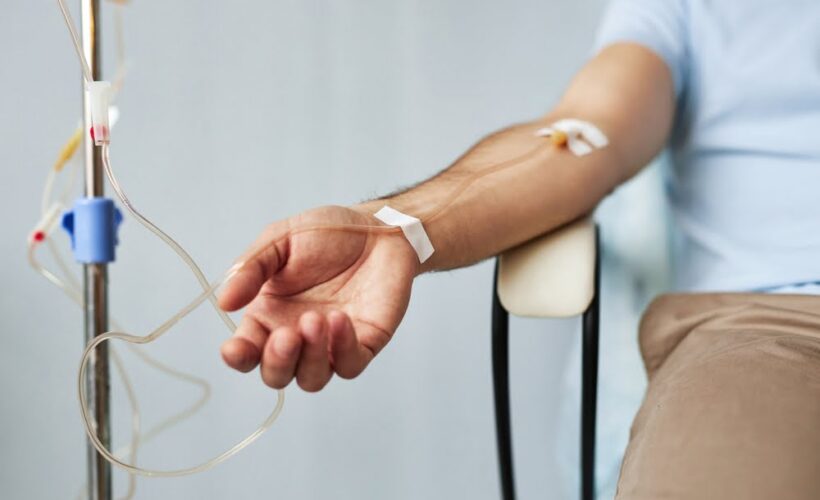
Ozone therapy for sports injuries can be delivered in two main ways. Systemic ozone therapy involves drawing blood, mixing it with a medical-grade ozone and oxygen blend, and returning it through an IV line. Localized ozone injections deliver the gas directly into or around the injured tissue.
Both approaches are built on the same underlying idea. A controlled, brief exposure to ozone triggers a mild oxidative response, which appears to prompt several biological effects relevant to injury healing: increased local blood flow, a reduction in pro-inflammatory signaling molecules, and improved oxygen delivery to tissue that badly needs it during repair.
This matters specifically for injury recovery because, as covered above, reduced circulation to damaged tissue is one of the reasons healing slows down. Anything that reliably improves local oxygenation could plausibly support that process, at least in theory. The O3UV ozone and UVB therapy service page has more detail on the combined protocol and how a session is structured.
4. What a Real Case Study Showed
Most of what is known about ozone and sports injuries specifically comes from limited clinical evidence rather than large trials. One useful data point is a case report involving a professional athlete.
According to a clinical case report published in BJR Case Reports, a professional runner with a hamstring tendon injury that had not responded to three weeks of conventional treatment received two weekly ozone infiltrations. Her pain score dropped from 7 to 2 out of 10, her flexibility test improved from an 8 cm deficit to full range, and thermographic imaging showed increased blood perfusion in the treated area after each session. She returned to training after the second treatment.
This is a single case, not a controlled trial, so it cannot establish that ozone therapy caused the improvement or that similar results would occur in every athlete. Still, the researchers noted the case supports further investigation into ozone as an adjunct for sports injury recovery.
5. What Broader Research Says About Ozone and Musculoskeletal Injuries
Beyond individual case reports, a wider body of research has examined ozone therapy across musculoskeletal conditions more generally.
According to a comprehensive review in the European Journal of Medical Research, ozone therapy has shown pain reduction and functional improvement across conditions including tendinopathies, joint pain, and soft tissue injuries. The review also documents its use in professional athletes recovering from hamstring injuries specifically, reporting reduced pain and improved mobility.
The same review is candid about its limits. Much of the existing research involves small sample sizes and inconsistent treatment protocols, and the authors call for larger, more rigorous trials before ozone therapy for sports injuries can be considered a well-established treatment rather than a promising early option.
6. Where This Fits Alongside Conventional Injury Care
None of the evidence available suggests ozone therapy should replace the standard injury recovery path. Rest, appropriate loading, and guidance from a physical therapist or sports medicine provider remain the foundation of recovering from any sports injury.
Where ozone therapy tends to come up is as a supplemental option, typically considered by people who have:
Been through a full course of conventional treatment without full resolution
An injury involving persistent inflammation past the expected healing window
Already been evaluated and cleared by a medical provider to explore additional options
Realistic expectations about the current evidence, rather than viewing it as a guaranteed fix
For athletes managing broader training-related recovery needs alongside a specific injury, this overview of O3UV therapy for athletic recovery covers how the same underlying treatment is used in a non-injury context.
7. Who Might Consider This as Part of Recovery
People who look into ozone therapy for sports injuries tend to share a few characteristics. This often includes:
Athletes with a soft tissue injury that has plateaued despite standard treatment
People managing chronic tendinopathy that flares with activity
Individuals who have completed acute-phase care and are looking for additional support during the later stages of recovery
Anyone who has discussed the option with their treating provider first, rather than using it in place of a diagnosis
This is not a fit for a fresh, acute injury before it has been properly evaluated. Getting an accurate diagnosis and following initial first-line care always comes first.
8. What a Session Involves
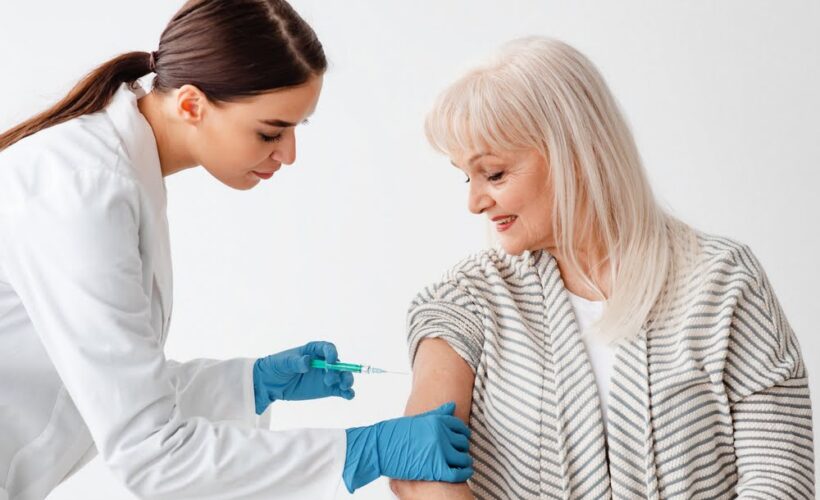
For systemic ozone therapy, a session typically takes 45 to 75 minutes, involving a blood draw, ozone treatment, and reinfusion through an IV line. For localized injections, the process is much shorter, often 5 to 15 minutes per site, and involves a small needle delivering a measured amount of ozone gas directly to the injured area.
Mild soreness or a feeling of pressure at the injection site is common afterward and typically resolves within a day or two. Most protocols involve a series of sessions, often three to six for localized injections, spaced roughly a week apart, since results tend to build cumulatively rather than appearing after a single visit.
Ozone therapy is generally considered well-tolerated, but a recent or acute injury should be properly diagnosed and treated with first-line care before considering additional options. A provider can advise on timing based on the specific injury.
How is this different from a cortisone injection?
Cortisone reduces inflammation quickly but temporarily, and repeated use has been linked to tissue damage over time. Ozone therapy for sports injuries works through a different mechanism, aiming to improve local oxygenation and circulation rather than suppressing the inflammatory response directly.
Can this replace physical therapy after an injury?
No. Physical therapy addresses strength, mobility, and movement mechanics, none of which ozone therapy is designed to do. The two address different parts of the recovery process and are not interchangeable.
How much evidence supports using ozone for sports injuries specifically?
The evidence is still limited, consisting mainly of case reports and broader musculoskeletal reviews rather than large controlled trials focused specifically on athletic injuries. It is a reasonable option to discuss with a provider, not a proven standard of care.
How many sessions are typically needed?
This varies by injury type and severity. Localized injection protocols often involve three to six sessions spaced about a week apart, while systemic treatment schedules are usually built around individual recovery goals and response to earlier sessions.
Recovering from a sports injury takes time, and no single treatment shortcuts that process. For people who have already followed standard care and are looking for additional support, ozone therapy for sports injuries is a reasonable option to discuss, provided expectations stay grounded in what the current evidence actually shows.
Key Takeaways
Injury recovery slows in part because swelling reduces blood flow to the exact tissue that needs oxygen and nutrients to repair itself. Ozone therapy is thought to support this process by improving local circulation and modulating inflammatory signaling, with a documented case involving a professional athlete’s hamstring injury and a broader body of musculoskeletal research supporting the general mechanism. The evidence remains early rather than definitive, so this approach works best as a supplement to standard injury care, not a substitute for diagnosis, physical therapy, or a provider’s guidance.
Curious Whether This Fits Your Recovery Plan?
Every injury is different, and what helps one person recover may not be the right fit for another. If you are managing a lingering sports injury and want to understand whether ozone therapy could support your recovery, a conversation with a qualified provider is the best starting point.
Disclaimer: This content is for informational purposes only and is not intended to diagnose, treat, cure, or prevent any disease or condition. Always consult a qualified healthcare provider before starting any new therapy, especially if you have an existing injury or health condition.
References:
Hidalgo-Tallón FJ, Pinto-Bonilla R, Baeza-Noci J, Menéndez-Cepero S, Cabizosu A. Medical ozone on hamstring injury in a professional athlete assessed by thermography: a clinical case report. BJR Case Reports, 2023. https://academic.oup.com/bjrcr/article/9/4/20220078/7279123
Can Ozone Therapy Help People With Autoimmune Disease? Shannon Morley October 4, 2026 10 min read Ozone Therapy Table of Contents 1. What Makes Autoimmune Disease Different From Other Immune…
Your immune system is only as effective as the raw materials available to run it. White blood cells, antibody production, cytokine signaling, and antiviral defense all depend on specific nutrients…
Anxiety is one of the most prevalent wellness challenges of the modern era, and it is also one of the most biologically complex. While therapy, lifestyle changes, and in some…
Vitamin C is one of the most studied nutrients in human physiology, and yet most people dramatically underestimate what it can do when delivered at concentrations that oral supplementation simply…