Ultraviolet blood irradiation has a longer history in medicine than most people realize, and the UVB therapy benefits it produces are more specific and biologically grounded than the vague language of light therapy often suggests. If you have come across UVB therapy as part of an O3UV treatment or as a standalone offering and you are wondering what it actually does, you are asking the right question.
This guide covers the documented UVB therapy benefits, the history behind the treatment, how it works at the biological level, and who tends to benefit most from adding it to a wellness protocol.
1. A Brief History of Ultraviolet Blood Irradiation
Ultraviolet blood irradiation, also known as UBI or photoluminescence therapy, was first developed in the 1920s and used clinically in the United States and Europe through the 1940s and 1950s. Before antibiotics became widely available, UBI was used as a treatment for serious bacterial infections including sepsis, pneumonia, and typhoid fever, with documented clinical success in a significant portion of cases.
The arrival of antibiotics in the 1950s largely displaced UBI from mainstream medicine, not because it was found to be ineffective, but because the new pharmaceutical options were simpler to administer and more commercially scalable. Interest in UBI and its UVB therapy benefits has been renewed in integrative medicine settings as researchers have revisited the original clinical literature and explored its mechanisms in modern biological frameworks.
2. How UVB Therapy Works
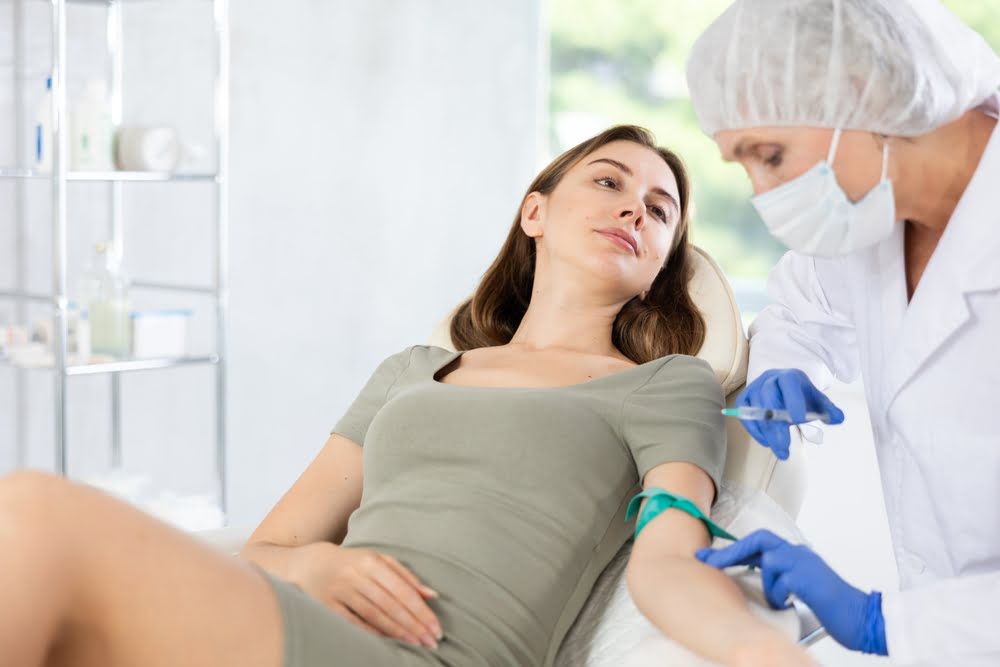
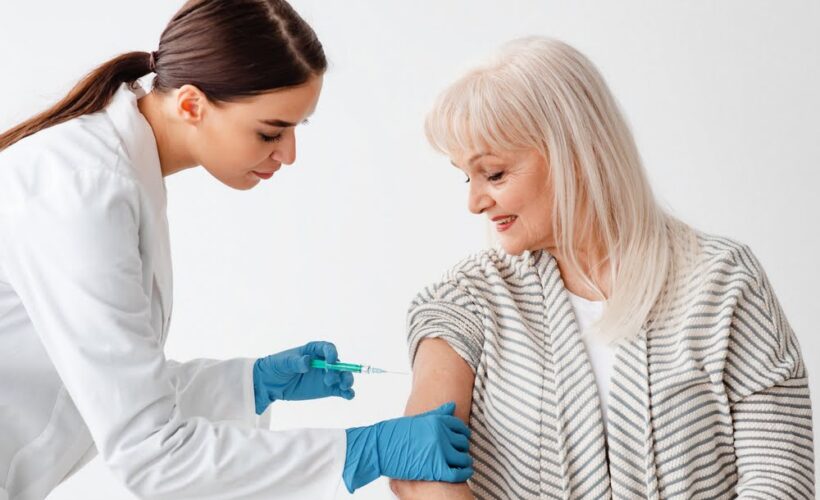
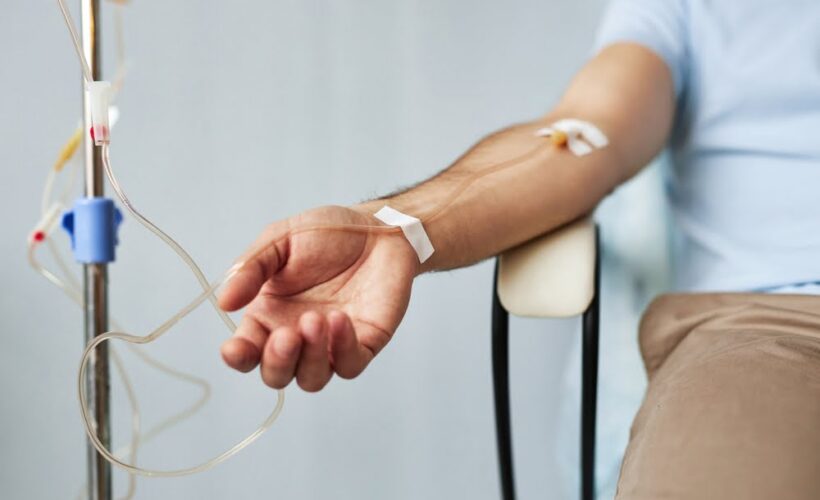
During a UVB therapy session, a small amount of blood is drawn from the patient, passed through a device that exposes it to ultraviolet light at specific wavelengths in the UVB range, and then returned to the body through an IV line. The process is similar to the autohemotherapy used in ozone therapy, which is why the two are frequently combined in O3UV therapy sessions.
The ultraviolet light interacts with the components of blood, including red blood cells, white blood cells, plasma proteins, and pathogens, producing a set of photochemical reactions. These reactions alter the biological behavior of the treated blood in ways that produce measurable downstream effects when the blood is reinfused.
The amount of blood treated is small relative to total blood volume, which raises the obvious question of how treating a small sample produces systemic effects. The mechanism is believed to involve a secondary immune response. The changes induced in the treated blood sample act as a signal to the immune system, triggering a broader coordinated response that extends well beyond the treated sample itself.
3. The Core UVB Therapy Benefits
The documented UVB therapy benefits fall into three primary categories: immune modulation, antimicrobial activity, and circulatory support. Here is what each involves.
Immune modulation. UVB therapy stimulates the production and activity of white blood cells, particularly lymphocytes and monocytes. It also influences the balance of immune signaling molecules, helping shift dysregulated immune activity toward a more appropriate and calibrated response.
Antimicrobial activity. Ultraviolet light at therapeutic wavelengths is directly destructive to bacteria, viruses, and fungi present in the treated blood sample. This antimicrobial effect is one of the original and most well-documented UVB therapy benefits and remains clinically relevant for people dealing with chronic or recurring infections.
Circulatory improvement. UVB therapy improves the oxygen-carrying capacity of red blood cells and increases their flexibility, allowing them to pass more efficiently through narrow capillaries and deliver oxygen more effectively to peripheral tissues.
4. UVB Therapy and the Immune System
One of the most studied UVB therapy benefits is its effect on immune function. The photochemical reactions induced by ultraviolet light exposure produce changes in treated white blood cells that, when reinfused, act as immune system activators.
Research has documented that UVB therapy increases the production and activity of T-lymphocytes and natural killer cells, two of the immune system’s most important defense populations. It also influences cytokine production, helping to modulate the balance between pro-inflammatory and anti-inflammatory immune signals.
A review published in the journal Photomedicine and Laser Surgery summarized the historical and contemporary evidence for ultraviolet blood irradiation, noting its consistent association with immune activation, improved resistance to infection, and anti-inflammatory effects across multiple clinical contexts. The immune-modulating effects of UVB therapy complement those of ozone therapy when the two are combined, which is why practitioners often recommend the combined O3UV approach for patients with chronic immune challenges.
5. Antimicrobial Effects of UVB Therapy
The antimicrobial UVB therapy benefits are among the most historically documented. Ultraviolet light at the wavelengths used in therapeutic blood irradiation is directly destructive to a range of pathogens, including gram-positive and gram-negative bacteria, viruses, and fungi.
When blood containing these pathogens is passed through the UV irradiation device, the pathogens are exposed to light energy that disrupts their nucleic acids and membrane structures, rendering them non-viable. The treated blood, now containing inactivated pathogen components, acts as a natural autovaccine when reinfused. This means the immune system receives a signal about the pathogen without the ongoing burden of an active infection, allowing it to mount a more effective targeted response.
This mechanism is particularly relevant for people dealing with chronic infections that have not fully resolved despite conventional antibiotic treatment, and for those with recurring infections that suggest an underlying immune recognition problem.
6. Circulatory and Oxygenation Benefits
The UVB therapy benefits for circulation and oxygenation are well-documented in the clinical literature and reflect direct photochemical changes in red blood cell function.
Ultraviolet light exposure increases the flexibility and deformability of red blood cells, allowing them to navigate narrow capillary beds more effectively. It also increases the release of nitric oxide from blood vessel walls, producing a mild vasodilatory effect that supports healthy peripheral circulation.
For people dealing with circulation-related fatigue, peripheral cold sensitivity, or tissue oxygenation concerns, these circulatory UVB therapy benefits represent a meaningful contribution to overall wellness. The combination of improved oxygenation from UVB therapy and the immune-modulating effects of ozone therapy is part of why O3UV therapy produces more comprehensive outcomes than either therapy achieves on its own.
7. How UVB Therapy Combines With Ozone Therapy
The UVB therapy benefits and the therapeutic effects of ozone therapy are genuinely complementary rather than simply additive. Understanding why helps clarify the value of the combined O3UV approach.
Ozone therapy works through oxidative preconditioning, generating reactive oxygen species that activate antioxidant defenses, modulate immune cytokines, and improve red blood cell oxygen delivery. UVB therapy works through photochemical activation of blood components, producing antimicrobial, immune-stimulating, and circulatory effects through a different mechanism.
Together, they address immune function, oxygenation, and pathogen clearance through two distinct but reinforcing biological pathways. Practitioners who use both in combination report that patients with chronic immune or infectious challenges respond more consistently to the combined approach than to ozone therapy or UVB therapy used in isolation.
For people exploring options to support their recovery between sessions, this ozone therapy aftercare guide covers the practical steps that help the body complete the work initiated by each treatment.
8. Who Is a Good Candidate for UVB Therapy?
The UVB therapy benefits are most relevant for people in the following situations.
People dealing with chronic or recurring infections who have not achieved lasting resolution through conventional antibiotic treatment may benefit from UVB therapy’s direct antimicrobial and immune-activating effects. People with immune dysregulation, whether in the form of suppressed immune function or overactive inflammatory responses, benefit from UVB therapy’s cytokine-modulating and immune-calibrating properties.
People with circulation concerns, particularly those experiencing peripheral cold sensitivity, tissue oxygenation issues, or fatigue linked to circulatory inefficiency, benefit from UVB therapy’s direct effects on red blood cell flexibility and nitric oxide production.
People who are already using or considering ozone therapy will benefit from the combination of both therapies in an O3UV session, as the combined approach addresses a broader range of physiological targets than either therapy provides independently.
9. What to Expect During a Session
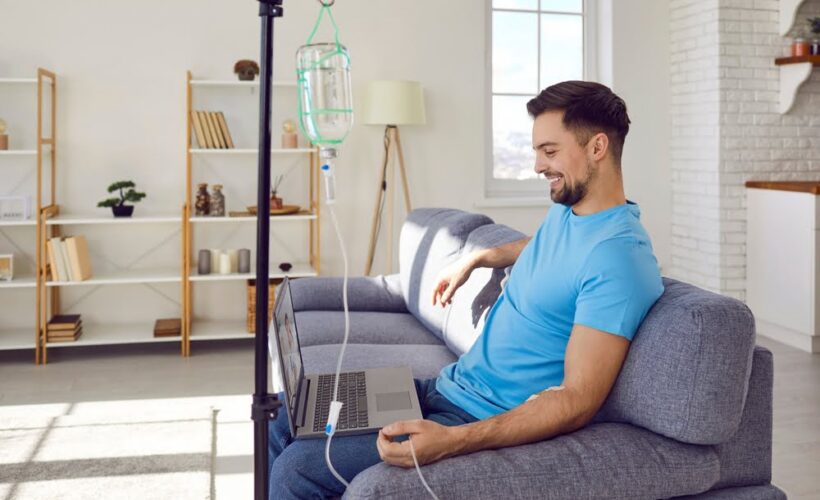
A UVB therapy session, whether standalone or as part of an O3UV protocol, involves a small blood draw, passage of the blood through a UV irradiation device, and reinfusion through an IV line. The total session time for a combined O3UV session is typically 45 to 75 minutes.
The process is well-tolerated by most people. Mild fatigue following a session is possible as the immune system responds to the treated blood that has been reinfused. This resolves within hours and is considered a normal part of the biological response.
For immune and antimicrobial goals, a series of sessions is recommended rather than a single treatment. The cumulative effects of repeated sessions build progressively, with immune function and circulatory improvements becoming more consistent and sustained over the course of a protocol.
10. FAQ
Is UVB therapy the same as light therapy for skin conditions?
No. UVB therapy as discussed here refers to ultraviolet blood irradiation, a process in which blood is drawn, exposed to UV light outside the body, and reinfused. Dermatological UVB light therapy involves directing UV light at the skin surface to treat conditions like psoriasis. They use similar wavelengths but through entirely different delivery mechanisms and for different therapeutic purposes.
How many UVB therapy sessions are needed to see results?
For immune support and antimicrobial goals, most practitioners recommend a series of six to ten sessions in an initial protocol, with frequency adjusted based on individual response. Circulatory improvements often become noticeable earlier in the protocol. Your provider will assess your health history and goals to recommend an appropriate starting point.
Is UVB therapy safe?
Yes, when administered by trained professionals using appropriate equipment and protocols. The amount of blood treated in each session is small, and the UV exposure is calibrated to therapeutic levels rather than damaging ones. Serious adverse reactions are rare. A brief health intake before your first session ensures the treatment is appropriate for your individual situation.
Can UVB therapy help with viral infections?
UVB therapy has documented antimicrobial activity against a range of pathogens, including viruses, through its photochemical disruption of nucleic acids and membrane structures in the treated blood sample. It is not a treatment for any specific viral infection and should be understood as a complementary wellness approach rather than an antiviral medical therapy. Always work with your healthcare provider for the management of active viral infections.
Does UVB therapy hurt?
The session involves a standard IV blood draw and reinfusion, which most people find only mildly uncomfortable. The UVB irradiation itself occurs outside the body and is not felt. Most people find the overall experience comparable to any IV therapy session in terms of comfort.
UVB therapy is not a new idea dressed up in wellness language. It is a treatment with a century of clinical history and a clear set of biological mechanisms that explain why it works. For people dealing with chronic immune challenges, recurring infections, or circulation concerns, the UVB therapy benefits represent a meaningful and evidence-informed addition to a broader wellness strategy.
Key Takeaways
The UVB therapy benefits are specific, biologically grounded, and supported by decades of clinical use and a meaningful body of modern research. Ultraviolet blood irradiation supports immune function through white blood cell activation and cytokine modulation, provides direct antimicrobial activity against pathogens in treated blood, and improves circulatory efficiency through changes in red blood cell flexibility and nitric oxide production. When combined with ozone therapy in an O3UV session, these benefits are amplified through the complementary mechanisms of two distinct therapeutic approaches working through different but reinforcing biological pathways.
Want to Learn More About UVB Therapy and Whether It Is Right for You?
If you are curious about how UVB therapy fits into a personalized wellness protocol, a consultation with a qualified provider is the best starting point. Learn more about the combined O3UV ozone and UVB therapy approach to understand what a session involves before your first appointment.
Disclaimer: This content is for informational purposes only and is not intended to diagnose, treat, cure, or prevent any disease or medical condition. Always consult a qualified healthcare professional before beginning any new therapy.
References:
Hamblin MR. Ultraviolet irradiation of blood: is it time to remember the ‘cure that time forgot’? J Photochem Photobiol B. 2017. https://pubmed.ncbi.nlm.nih.gov/16706696/
Guirakhoo F, et al. Changes in red blood cell oxygen-carrying capacity following ultraviolet blood irradiation. J Photochem Photobiol B. 1994. https://pubmed.ncbi.nlm.nih.gov/7897494/
Can Ozone Therapy Help People With Autoimmune Disease? Shannon Morley October 4, 2026 10 min read Ozone Therapy Table of Contents 1. What Makes Autoimmune Disease Different From Other Immune…
Your immune system is only as effective as the raw materials available to run it. White blood cells, antibody production, cytokine signaling, and antiviral defense all depend on specific nutrients…
Anxiety is one of the most prevalent wellness challenges of the modern era, and it is also one of the most biologically complex. While therapy, lifestyle changes, and in some…
Vitamin C is one of the most studied nutrients in human physiology, and yet most people dramatically underestimate what it can do when delivered at concentrations that oral supplementation simply…