Is Ozone Therapy Safe? What You Should Know Before Your First Session
Is Ozone Therapy Safe? What You Should Know Before Your First Session
If you have been researching ozone therapy and your first question is whether it is safe, that is exactly the right place to start. Many people discover this treatment while looking for integrative wellness options, and ozone therapy safety is the concern that comes up most often before a first session.
The good news is that when ozone therapy is administered by trained professionals using medical-grade equipment and proper protocols, it has a well-established safety record. But understanding the details matters. This guide covers how ozone therapy works, what the research says, who it is appropriate for, and what situations call for caution before you book.
What Is Ozone Therapy?
Ozone therapy is a form of oxidative therapy that uses ozone, a molecule made of three oxygen atoms (O3), to trigger healing responses in the body. When introduced into the bloodstream or tissue in controlled amounts, ozone is thought to enhance immune function, improve oxygen delivery to cells, and support the body’s natural detoxification process.
This is not a new concept. Ozone has been used in clinical settings in Europe for over a century. Interest in the United States has grown as more people explore integrative wellness approaches that complement conventional care.
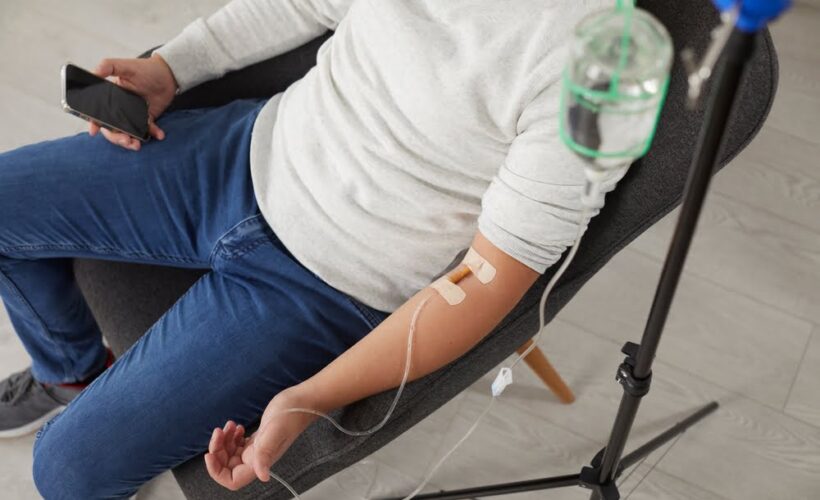
The most common form in wellness settings is major autohemotherapy, where a small amount of blood is drawn, mixed with medical-grade ozone, and reintroduced into the body through an IV. This method is often combined with ultraviolet blood irradiation to form what is known as O3UV therapy.
How Is Ozone Therapy Administered?
Understanding the delivery method is central to understanding ozone therapy safety. The method used matters significantly.
Major Autohemotherapy (IV): A small blood sample is drawn into a sterile bag, mixed with ozone, and returned via IV drip. This is the most studied and widely used delivery method.
Ozone Insufflation: Ozone gas is introduced into a body cavity such as the rectum or ear canal for localized applications, often used for gut health and chronic infections.
Ozone Injections: Ozone is injected directly into a joint or tissue for musculoskeletal pain and localized healing.
One critical point on safety: inhaling ozone directly is never appropriate in a therapeutic context. Ozone is damaging to lung tissue when breathed in. Every legitimate medical application uses indirect, controlled delivery. A qualified provider will never expose your respiratory system to ozone gas.
What Does the Research Say About Ozone Therapy Safety?
The existing research on ozone therapy safety is generally favorable when the therapy is delivered at appropriate concentrations by trained practitioners. A review published in the journal Medicina found that serious adverse events are rare and most often linked to improper administration rather than the therapy itself.
Research supported by the National Institutes of Health has documented antimicrobial, immunomodulatory, and anti-inflammatory properties across a range of clinical applications. The consistent finding across studies is that ozone concentration and delivery method are the primary safety variables.
The principle practitioners follow is straightforward: the dose makes the difference. Too little and the therapy produces no meaningful response. Too much and it creates unnecessary oxidative stress. A properly trained provider calibrates ozone concentration to the individual’s health profile and goals.
Who Should Avoid Ozone Therapy?
Ozone therapy safety does not mean it is appropriate for everyone. There are specific situations that call for caution or contraindication.
G6PD deficiency is an absolute contraindication. This enzyme deficiency affects red blood cell function in a way that makes oxidative therapies unsafe. A reputable provider will screen for this before your first session.
Pregnancy is generally considered a contraindication due to limited controlled research in this population.
Active bleeding or clotting disorders require physician clearance before ozone therapy is considered.
Hyperthyroidism may require coordination with an endocrinologist, since ozone therapy can affect metabolic activity.
Recent heart attack is a temporary contraindication. Most providers ask that patients wait until the cardiovascular system has stabilized.
If you are currently taking medications or managing a chronic condition, discussing ozone therapy with your primary care provider before your first session is always a smart step.
Common Side Effects and What to Expect
For most people, ozone therapy is well-tolerated. Mild side effects, when they occur, are typically short-lived. Here is what patients commonly report:
Mild fatigue after a session, which usually resolves within a few hours
Slight lightheadedness during or immediately after treatment
Temporary Herxheimer reaction in some patients, particularly those with chronic infections, where symptoms briefly worsen before improving as the body processes dying pathogens
Minor bruising or discomfort at the IV site, which is common with any IV-based therapy
Serious adverse reactions are uncommon when therapy is performed correctly. The most reported complications in the literature involve ozone administered via intravenous gas injection, a method that responsible providers do not use.
How to Find a Safe Ozone Therapy Provider
Ozone therapy safety depends significantly on who is administering it. Here is what to look for when evaluating a provider.
Trained, certified staff. Ask about the credentials and training of the team performing the therapy. Providers should be able to explain their protocols clearly.
Medical-grade equipment. Ozone must be generated with medical-grade ozone generators using pure oxygen as the source gas. This is non-negotiable.
Pre-treatment screening. A reputable clinic will ask about your health history, current medications, and screen for contraindications like G6PD deficiency before your first session.
Transparent communication. A good provider welcomes your questions and gives honest answers about what ozone therapy can and cannot do. Be cautious of providers who make sweeping cure claims.
Sterile, clinic-grade environment. All equipment should be single-use or properly sterilized. The treatment setting should meet clinical hygiene standards.
Ozone therapy is not FDA approved as a standalone medical treatment in the United States, but it is offered legally as a wellness service by trained practitioners. Many countries in Europe and Latin America have integrated it into mainstream clinical practice. As with any wellness therapy, it is important to understand what it is designed to support and have realistic expectations.
Can ozone therapy interact with medications?
Some medications, particularly anticoagulants (blood thinners), may interact with ozone therapy due to its effects on circulation and platelet activity. Always disclose your full medication list to your provider before your first session so they can assess suitability.
How many sessions does it take before ozone therapy is safe to evaluate?
Most practitioners recommend a series of sessions, typically three to six, before drawing conclusions about how your body is responding. A single session is rarely enough to assess either the benefits or tolerability for your individual physiology.
Is ozone therapy the same as oxygen therapy?
No. Oxygen therapy delivers O2, the form of oxygen your body uses for normal cell function. Ozone therapy uses O3, a more reactive form that triggers a controlled oxidative response before it converts back to oxygen in the body. They work through different mechanisms and are not interchangeable.
What should I tell my doctor before starting ozone therapy?
Let your doctor know you are considering ozone therapy, share your current health conditions, and provide a complete medication list. For most healthy adults, there are no conflicts. For those managing chronic conditions, your care team can help you decide whether ozone therapy fits into your broader wellness plan.
Ready to Learn More About Your Options?
Ozone therapy safety comes down to two things: the right candidate and the right provider. For healthy adults without contraindications, the therapy has a well-established record of tolerability and a low rate of serious adverse events when protocols are followed correctly. The concerns most people carry into their research, whether about the process itself, the side effects, or whether it is worth trying, tend to resolve once the mechanism is clearly understood.
You do not have to figure this out alone. If you have questions about whether ozone therapy is appropriate for your health situation, the best next step is a conversation with a qualified practitioner who can review your history and give you an honest assessment.
If you have questions about whether ozone therapy is appropriate for your health situation, reach out to learn more about our O3UV therapy options and schedule a consultation.
Disclaimer
This content is for informational purposes only and is not intended to diagnose, treat, cure, or prevent any disease or medical condition. Always consult a qualified healthcare professional before beginning any new therapy.
Can O3UV Therapy Help Athletes Recover Faster Between Workouts? Shannon Morley July 05, 2026 10 min read O₃UV: Ozone + UVB Therapy Table of Contents 1. What Happens to Your…
Why Is Magnesium IV Therapy Becoming a Go-To for So Many Wellness Patients? Shannon Morley June 07, 2026 10 min read IV Drip Therapy & Injections Table of Contents 1.…
What Are the UVB Therapy Benefits Most People Do Not Know About? Shannon Morley June 14, 2026 10 min read O₃UV: Ozone + UVB Therapy Table of Contents 1. A…
Is IV Therapy for Athletes Actually Worth It? Here Is What the Science Says Shannon Morley June 21, 2026 10 min read IV Drip Therapy & Injections Table of Contents…