Is IV Therapy for Athletes Actually Worth It? Here Is What the Science Says
- Shannon Morley
- June 21, 2026
- 10 min read
IV Drip Therapy & Injections
Table of Contents
- 1. What Intense Training Does to Your Body
- 2. Why Oral Recovery Methods Have Limits
- 3. How IV Therapy for Athletes Works
- 4. Key Nutrients in an Athletic IV Protocol
- 5. What the Research Says
- 6. IV Therapy vs. Sports Drinks and Oral Supplements
- 7. How Ozone Therapy Complements IV Recovery
- 8. What to Expect During a Session
- 9. FAQ
IV therapy for athletes has shifted from a secret used by professional sports teams to a mainstream wellness option that serious recreational athletes are increasingly incorporating into their recovery protocols. If you train hard and you are looking for ways to recover faster, perform more consistently, and reduce the time between effective sessions, it is worth understanding what IV therapy actually does and whether the biology justifies the investment.
The short answer is yes, for athletes dealing with significant training loads, the mechanism is sound and the benefits are real. This guide breaks down how IV therapy for athletes works, what nutrients are involved, what the research says, and what a practical recovery protocol looks like.
1. What Intense Training Does to Your Body
Understanding why IV therapy for athletes is relevant starts with understanding what happens physiologically during and after intense training.
Nutrient depletion. Sustained exercise depletes B vitamins, magnesium, zinc, and amino acids at rates that dietary intake alone struggles to match, particularly during high-frequency training blocks. These nutrients are essential to energy production, muscle repair, and immune function.
Oxidative stress. Intense exercise generates significant quantities of reactive oxygen species. While moderate oxidative stress is a necessary signal for adaptation, excessive oxidative stress delays recovery, increases inflammation, and impairs muscle protein synthesis.
Dehydration and electrolyte loss. Sweat losses during intense or prolonged exercise deplete fluid and electrolytes, particularly sodium, potassium, and magnesium. Even mild dehydration impairs performance, cognitive function, and recovery efficiency.
Muscle damage and inflammation. Eccentric loading and high-intensity effort create microscopic muscle damage that triggers an inflammatory response. This response is necessary for adaptation but extends recovery time when it is excessive or poorly managed.
Immune suppression. Intense and prolonged exercise temporarily suppresses immune function, a phenomenon well-documented in exercise immunology. Athletes in heavy training are at elevated risk for upper respiratory infections and slower recovery from illness.
IV therapy for athletes addresses all five of these physiological consequences of training through a single, efficient delivery mechanism.
2. Why Oral Recovery Methods Have Limits
Sports nutrition has produced a highly developed ecosystem of recovery supplements: protein shakes, BCAAs, creatine, electrolyte drinks, B-complex vitamins, and magnesium supplements. These products have genuine value, but they share a common limitation.
They all depend on the digestive system to deliver their contents to the bloodstream, and the digestive system is itself compromised during and after intense exercise. Blood flow is redirected away from the gut during training, reducing absorptive capacity. Post-exercise gut inflammation further reduces how effectively nutrients are taken up.
The result is that the period immediately after training, when recovery nutrient demand is highest, is precisely when oral delivery is least efficient. IV therapy for athletes bypasses this problem entirely. Nutrients delivered intravenously reach the bloodstream within minutes, independent of gut function, and are immediately available for uptake by depleted muscle cells.
3. How IV Therapy for Athletes Works
IV therapy for athletes delivers a customized blend of fluids, electrolytes, vitamins, amino acids, and antioxidants directly into the bloodstream through an intravenous line. The body receives close to 100 percent of the administered dose rather than the fraction that would survive digestion and absorption.
The result is rapid restoration of the specific nutrients that exercise depletes, at concentrations that actually reach muscle and immune cells in meaningful amounts. This is why athletes who use IV therapy consistently report faster perceived recovery, less post-training soreness, and more consistent training quality across high-volume blocks.
The IV drip therapy and injections approach allows formulas to be customized based on the individual athlete’s sport, training phase, and specific recovery needs, so a marathon runner’s protocol looks different from a strength athlete’s.
4. Key Nutrients in an Athletic IV Protocol
The specific nutrients in an IV therapy for athletes protocol vary by provider and individual goals, but the most consistently valuable components include the following.
IV Fluids and Electrolytes Isotonic saline or lactated Ringer’s solution restores circulating fluid volume and provides sodium. Additional electrolytes including potassium, magnesium, and chloride are typically added to match sweat composition and support normal cell function.
B Vitamins B1, B2, B3, B5, B6, and B12 are all essential to the metabolic pathways that convert carbohydrates, fats, and proteins into usable energy during exercise. Training depletes B vitamins faster than sedentary living, and B12 deficiency in particular is associated with impaired endurance and slower recovery.
Magnesium Magnesium is lost in sweat and is required for over 300 enzymatic reactions including ATP production, muscle relaxation, and protein synthesis. Post-exercise magnesium depletion contributes to cramping, prolonged soreness, and poor sleep quality during training blocks.
Vitamin C High-dose IV vitamin C reduces exercise-induced oxidative stress and supports collagen synthesis, which is important for connective tissue recovery. According to a study in the Journal of the International Society of Sports Nutrition, IV vitamin C reduced oxidative stress markers significantly following strenuous exercise.
Amino Acids Branched-chain amino acids (BCAAs) and glutamine delivered IV support muscle protein synthesis, reduce exercise-induced muscle breakdown, and support the immune system during post-exercise immunosuppression. Glutamine is particularly important for gut integrity during high training loads, when gut permeability increases.
Glutathione IV glutathione neutralizes exercise-generated free radicals and supports the liver’s clearance of metabolic waste products. Athletes using high-intensity training protocols benefit from glutathione’s antioxidant contribution to faster cellular recovery.
Zinc Zinc supports immune function and wound healing, both of which are relevant for athletes dealing with the immune suppression and microtrauma associated with heavy training.

5. What the Research Says
The research on IV therapy for athletes spans hydration science, sports nutrition, and integrative medicine. Here is what the most relevant studies show.
A review published in Sports Medicine confirmed that IV fluid rehydration restores performance markers more rapidly and reliably than oral rehydration following exercise-induced dehydration, particularly when dehydration exceeds two percent of body weight.
Research in the Journal of Applied Physiology documented that IV amino acid delivery during and after exercise produced superior muscle protein synthesis rates compared to oral amino acid administration at equivalent doses, supporting the use of IV delivery for post-exercise muscle recovery.
A meta-analysis in the European Journal of Clinical Nutrition reviewed the evidence for IV micronutrient supplementation in athletes and found consistent support for IV delivery achieving higher plasma concentrations of key recovery nutrients than oral supplementation at doses safe for chronic use.
The overall picture from the research is clear: IV delivery achieves what oral recovery methods aim for but cannot reliably match, particularly under the conditions of high training load when gut absorption is compromised.
6. IV Therapy vs. Sports Drinks and Oral Supplements
Sports drinks are formulated primarily for hydration and carbohydrate delivery during exercise. They serve a specific in-exercise purpose but do not address the micronutrient depletion or oxidative burden that accumulates over a training block.
Oral protein and amino acid supplements support muscle recovery but depend on gut absorption efficiency. Post-exercise gut hypoperfusion and inflammation reduce how much is actually absorbed during the critical post-training window.
Oral vitamins and minerals provide baseline nutritional support but are subject to the same absorption limitations and deliver lower plasma concentrations than IV administration at equivalent doses.
IV therapy for athletes does not replace sports drinks or oral supplements. It complements them by addressing the specific recovery demands that oral methods cannot reliably meet, particularly in the immediate post-training window and during high-volume training blocks.
7. How Ozone Therapy Complements IV Recovery
IV therapy and ozone therapy address athletic recovery through complementary mechanisms, and many athletes use both as part of a comprehensive performance support protocol.
IV therapy restores the specific nutrients depleted by training. Ozone therapy, through O3UV sessions, improves the efficiency with which cells utilize oxygen, activates antioxidant defenses, and modulates the inflammatory response associated with intense training. Together, they address both the supply side and the utilization side of athletic recovery.
The anti-inflammatory and immune-modulating effects of ozone therapy are particularly relevant for athletes dealing with the cumulative inflammatory burden of sustained high-volume training. For more on how ozone therapy supports recovery, this overview of ozone therapy for inflammation covers the mechanisms in detail.
8. What to Expect During a Session
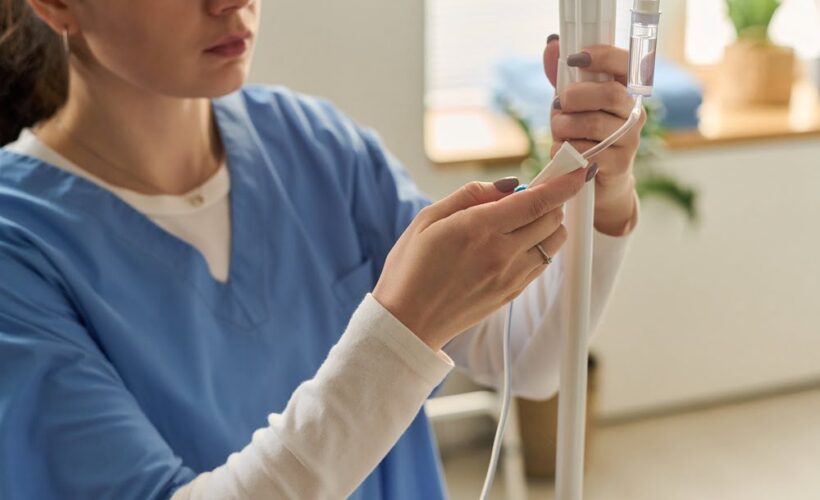
An IV therapy for athletes session typically runs between 30 and 60 minutes depending on the formula and drip rate. You will be seated comfortably while a small IV catheter is placed in a vein in your arm. Many athletes schedule sessions on rest days or within a few hours after a training session, when the body’s nutrient demand is highest and absorption from oral sources is most limited.
Most people find the experience straightforward and comfortable. The IV site may feel slightly cool as the drip runs. Energy and recovery benefits are often noticeable within hours of a session as nutrients reach depleted muscle and immune cells.
For sustained performance support, a regular schedule of IV sessions aligned with your training calendar produces better results than occasional single treatments. Your provider will help you design a protocol that fits your training load and recovery goals.
9. FAQ
How soon after training should I get IV therapy?
The post-exercise window is when nutrient demand is highest and oral absorption is most limited. Many athletes schedule IV sessions within two to four hours after a significant training session or competition. Rest day sessions are also effective for ongoing nutrient restoration during high-volume training blocks. Your provider will help you identify the timing that aligns best with your training schedule.
How often should athletes get IV therapy?
During heavy training blocks or competition periods, weekly sessions are common and well-supported. During lower-intensity periods, biweekly or monthly sessions are sufficient for maintenance. The right frequency depends on your training load, sport, and individual recovery demands. Your provider will help you design a schedule that matches your needs.
Is IV therapy for athletes safe?
Yes, when administered by trained professionals using pharmaceutical-grade nutrients in a clinical or wellness setting. The nutrients used in athletic IV protocols are naturally occurring vitamins, minerals, and amino acids. Serious adverse reactions are rare. A brief health intake before your first session ensures the formula is appropriate for your individual health status.
Does IV therapy for athletes give an unfair advantage in competition?
IV therapy for athletic recovery using vitamins, minerals, and amino acids is not on the World Anti-Doping Agency (WADA) prohibited list when administered in volumes consistent with wellness protocols. However, athletes subject to WADA regulations should consult with their team physician or anti-doping advisor before beginning any IV therapy protocol to ensure full compliance with applicable rules.
Can IV therapy help with muscle soreness after training?
Yes. The primary drivers of delayed onset muscle soreness (DOMS) are exercise-induced inflammation, oxidative stress, and microtrauma-related metabolic waste accumulation. IV therapy addresses all three through rapid delivery of anti-inflammatory antioxidants, magnesium for muscle relaxation, and amino acids for muscle repair. Many athletes report meaningful reductions in DOMS severity and duration following IV sessions timed to post-training recovery windows.
IV therapy for athletes is not a shortcut or a luxury. It is a physiologically rational response to the specific recovery demands of intense training, delivering nutrients at concentrations and speeds that oral supplementation cannot match when the body needs them most. For athletes looking to train harder, recover faster, and maintain performance consistency across long training blocks, IV therapy is worth a serious conversation with a qualified provider.
Key Takeaways
IV therapy for athletes addresses the specific physiological consequences of intense training that oral recovery methods cannot reliably match: rapid nutrient replenishment at therapeutic concentrations, independent of the compromised gut absorption that follows hard exercise. The key nutrients, including B vitamins, magnesium, vitamin C, amino acids, and glutathione, are delivered directly to muscle and immune cells at the time when they are most needed. The research consistently supports IV delivery for faster rehydration, superior plasma nutrient concentrations, and better muscle protein synthesis outcomes compared to oral administration at equivalent doses. For athletes serious about recovery and performance consistency, IV therapy represents one of the most biologically grounded options available in the wellness space.
Ready to Build an IV Recovery Protocol That Fits Your Training?
If you want to explore what a personalized IV therapy protocol looks like for your sport and training demands, consider scheduling a consultation. Explore the full range of IV drip therapy and injection options to take the first step toward better recovery.
Disclaimer: This content is for informational purposes only and is not intended to diagnose, treat, cure, or prevent any disease or medical condition. Always consult a qualified healthcare professional before beginning any new therapy.
References:
- Casa DJ, Armstrong LE, Hillman SK, et al. National Athletic Trainers’ Association position statement: fluid replacement for athletes. J Athl Train. 2000. https://pubmed.ncbi.nlm.nih.gov/10070260/
- Borsheim E, Tipton KD, Wolf SE, Wolfe RR. Essential amino acids and muscle protein recovery from resistance exercise. Am J Physiol. 2002. https://pubmed.ncbi.nlm.nih.gov/12391134/
- Fogelholm M. Micronutrients: interaction between physical activity, intakes and requirements. Eur J Clin Nutr. 1992. https://pubmed.ncbi.nlm.nih.gov/12792660/
- Bryer SC, Goldfarb AH. Effect of high dose vitamin C supplementation on muscle soreness, damage, function, and oxidative stress to eccentric exercise. Int J Sport Nutr Exerc Metab. 2006. https://pubmed.ncbi.nlm.nih.gov/17925023/


Could Ozone Therapy for Fatigue Be the Answer You Have Been Looking For?

Does Ozone Therapy Actually Help Your Body Detox? Here Is What Happens