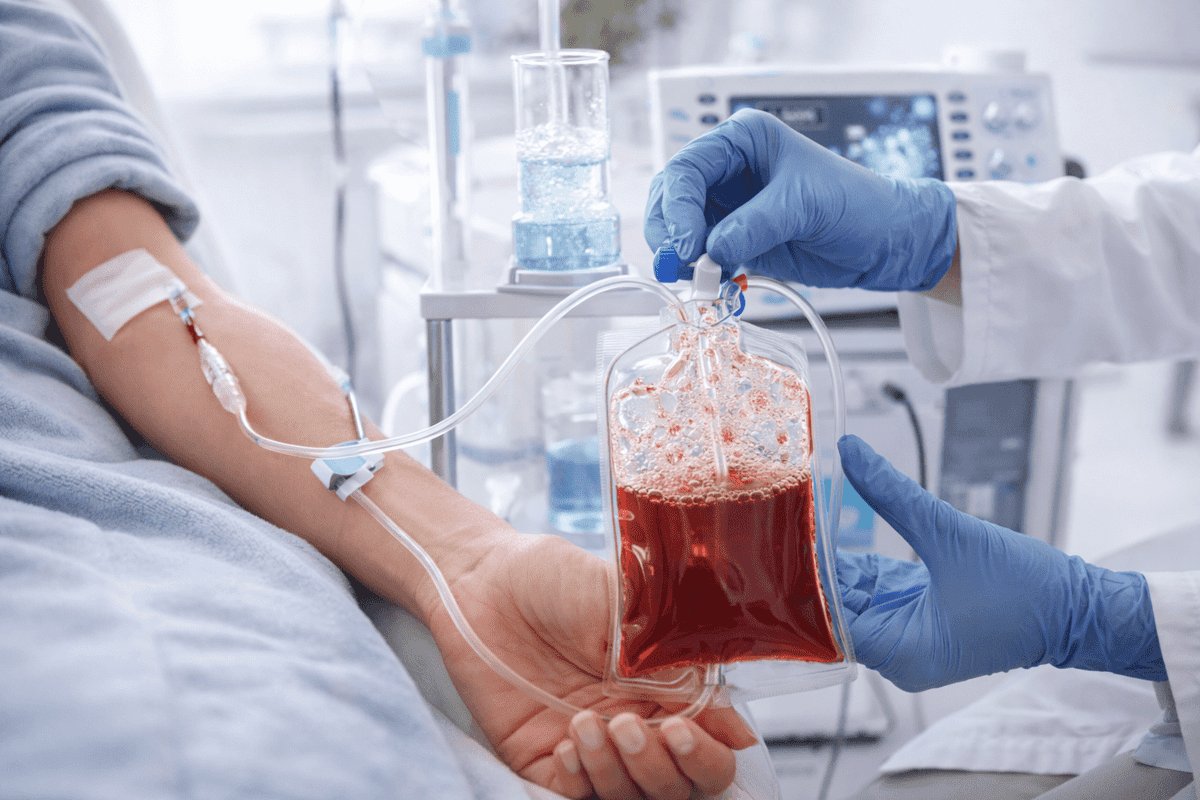
If someone told you that a small amount of your own blood would be drawn out, mixed with ozone gas, and returned to your body, your first question would probably be: what exactly is happening in there? Blood ozone therapy is one of those treatments that sounds unusual until you understand the science behind it. Once you do, the process makes a lot more sense.
This article breaks down exactly what happens to your blood during an ozone therapy session, why it produces the effects people report, and what the research says about the biological changes taking place.
How Blood Ozone Therapy Works
Blood ozone therapy works through a process called oxidative preconditioning. When ozone (O3) contacts your blood, it does not remain as ozone for long. It reacts almost immediately with the lipids and proteins in plasma, breaking down into reactive oxygen species (ROS) and lipid oxidation products called ozonides.
These byproducts are not harmful in controlled amounts. In fact, they act as biological messengers. They signal the body to activate antioxidant defenses, stimulate immune cells, and increase the production of certain enzymes that protect tissues from oxidative damage.
Think of it as a controlled, calibrated stress signal. Your body reads it, responds, and emerges with enhanced function in areas including oxygen delivery, immune activity, and cellular energy production.
This is the same principle behind why moderate exercise is beneficial. A small, controlled stressor prompts adaptation. Blood ozone therapy applies that principle at the cellular and immunological level.
The Step-by-Step Process of Major Autohemotherapy
Major autohemotherapy is the most common form of blood ozone therapy used in clinical and wellness settings. Here is how the process works from start to finish.
Step 1: Blood Draw A small amount of blood, typically between 100 and 200 mL depending on the protocol, is drawn from a vein in your arm into a sterile, vacuum-sealed glass bottle or medical-grade bag. An anticoagulant is added to prevent the blood from clotting during the procedure.
Step 2: Ozone Infusion Medical-grade ozone is introduced into the container holding your blood. The ozone is generated from pure oxygen using a calibrated medical ozone generator. The concentration is measured precisely in micrograms per milliliter and adjusted based on the treatment protocol.
Step 3: Mixing The container is gently agitated to ensure thorough mixing of the blood and ozone. During this step, the ozone reacts with the blood components and begins converting into the reactive oxygen byproducts that trigger the biological response.
Step 4: Reinfusion The ozonated blood is returned to your body through the same IV line. By the time it re-enters circulation, the ozone itself has already reacted. What returns to your body is your own blood, now carrying the signaling molecules that activate the therapeutic response.
The entire process typically takes between 30 and 60 minutes. When combined with ultraviolet blood irradiation in an O3UV session, a portion of the blood is also exposed to UV light before reinfusion, adding an additional antimicrobial and immune-stimulating effect.
What Ozone Does to Red Blood Cells
One of the most well-documented effects of blood ozone therapy is its impact on red blood cells (erythrocytes). Here is what research shows happens at the cellular level.
Increased oxygen release. Ozone exposure causes red blood cells to release oxygen more efficiently to surrounding tissues. This happens through a shift in what is called the oxygen-hemoglobin dissociation curve. In practical terms, your tissues receive more usable oxygen per red blood cell.
Improved cell flexibility. Red blood cells need to squeeze through narrow capillaries to deliver oxygen to tissues. Ozone therapy has been shown to improve the deformability of red blood cells, meaning they can navigate small vessels more effectively. This is particularly relevant for circulation-related concerns.
Stimulation of antioxidant enzymes. Ozone triggers the upregulation of superoxide dismutase, catalase, and glutathione peroxidase, three of the body’s primary antioxidant enzymes. According to research published in Free Radical Biology and Medicine, this adaptive response helps cells resist future oxidative damage.
The Immune Response Triggered by Blood Ozone Therapy
Beyond the red blood cell effects, blood ozone therapy produces a notable response in the immune system. The reactive oxygen species generated during ozonation act as immune modulators, meaning they can both stimulate and regulate immune activity depending on the body’s current state.
White blood cell activation. Ozone exposure stimulates leukocytes, the white blood cells responsible for fighting infection and clearing cellular debris. A study published in the European Journal of Pharmacology demonstrated that ozone activates key immune pathways involved in pathogen destruction.
Cytokine regulation. Ozone therapy has been shown to influence the production of cytokines, the chemical messengers that coordinate immune responses. In people with chronic inflammation, this can mean a shift toward a more balanced immune response rather than ongoing, dysregulated inflammation.
Antimicrobial activity. The reactive oxygen species generated by ozone therapy are hostile to bacteria, viruses, and fungi. This is one reason why blood ozone therapy is explored as a complementary approach for people dealing with chronic infections.
What Changes in Your Blood After a Session
Patients often ask what is different about their blood after an ozone therapy session. Based on the available research, here are the measurable changes that have been documented.
Higher red blood cell deformability and improved microcirculation
Elevated levels of antioxidant enzymes for a period following treatment
Increased 2,3-diphosphoglycerate (2,3-DPG) in red blood cells, which enhances oxygen release to tissues
Reduced inflammatory markers in patients with chronic inflammatory conditions
Improved platelet function in some studies
These changes are not permanent after a single session, which is why most protocols involve a series of treatments. The cumulative effect of repeated sessions is where the longer-term benefits are typically observed.
To understand how these blood-level changes connect to whole-body wellness outcomes, this overview of O3UV therapy benefits provides additional context.
How Blood Ozone Therapy Differs From Other Blood-Based Therapies
You may have heard of other therapies that involve drawing and reinfusing blood, such as platelet-rich plasma (PRP) or apheresis. Here is how blood ozone therapy is distinct.
PRP therapy extracts and concentrates platelets from your blood to support tissue healing, typically injected at a specific injury site. Blood ozone therapy works systemically, affecting circulation, immunity, and oxygenation throughout the body rather than targeting a localized area.
Apheresis separates blood components for removal or collection, often used in donor settings or for treating certain blood disorders. Blood ozone therapy does not remove or separate blood components. It simply introduces a controlled oxidative trigger before returning your blood in full.
Dialysis filters waste products from blood for patients with kidney failure. Blood ozone therapy does not filter blood. The mechanism is entirely different.
The defining characteristic of blood ozone therapy is its use of ozone as a biological signaling agent rather than a pharmaceutical compound or mechanical filtration process.
FAQ
Is it safe to mix ozone with blood outside the body?
Yes, when done in a sterile, controlled environment using proper equipment and protocols. The ozone reacts with blood components within the sterile container, and only the ozonated blood is returned, not free ozone gas. This is a well-established method used by practitioners around the world.
Can ozone damage blood cells?
At concentrations used therapeutically, ozone does not damage blood cells. The key word is concentration. Research consistently shows that therapeutic doses stimulate adaptive responses in blood cells rather than causing harm. Excessively high concentrations would be a concern, which is why calibrated medical ozone generators and trained practitioners are essential.
How much blood is actually removed during the process?
Typically between 100 and 200 mL, depending on the protocol. To put that in perspective, a standard blood donation is around 450 mL. The volume used in blood ozone therapy is well within a safe range for healthy adults.
Will I feel anything different after ozone treatment?
Many people report feeling energized or noticeably clearer within hours of a session. Some experience mild fatigue initially, particularly in the first one or two sessions, as the body responds to the oxidative stimulus. This typically resolves quickly and is considered a normal adaptive response.
How long do the blood-level changes last after a session?
The duration varies by individual and by the specific marker being measured. Some antioxidant enzyme elevations persist for several days. The functional improvements in oxygen delivery and circulation may accumulate over a series of sessions rather than resolving after a single treatment.
Curious About What Ozone Therapy Could Do for You?
Blood ozone therapy works because of what it asks your body to do, not because of what it adds permanently. The controlled oxidative stimulus generated during autohemotherapy sets off a cascade of biological responses that improve oxygen delivery, activate immune function, and build antioxidant resilience over a series of sessions. Once you understand what is happening at the cellular level, the process makes complete sense.
If you are curious about how these blood-level changes might apply to your specific health goals, a consultation with a trained practitioner is the clearest way to find out whether blood ozone therapy is the right fit for you.
If you want to explore what blood ozone therapy might look like for your individual needs, you can learn more about how O3UV therapy works and schedule a consultation to talk through your goals.
Disclaimer
This content is for informational purposes only and is not intended to diagnose, treat, cure, or prevent any disease or medical condition. Always consult a qualified healthcare professional before beginning any new therapy.
Anxiety is one of the most prevalent wellness challenges of the modern era, and it is also one of the most biologically complex. While therapy, lifestyle changes, and in some…
Vitamin C is one of the most studied nutrients in human physiology, and yet most people dramatically underestimate what it can do when delivered at concentrations that oral supplementation simply…
Ozone therapy for weight loss is a topic that requires an honest conversation before anything else. If you are looking for a therapy that melts fat without lifestyle changes, this…
If you have been exploring IV therapy options, you have almost certainly come across the Myers Cocktail. It is the most widely recognized IV nutrient formula in integrative medicine, and…