Ozone Therapy Immune System: How It Works at the Cell Level
Ozone Therapy Immune System: How It Works at the Cell Level
If you have been researching ozone therapy, you have probably come across claims about immune support. But what does that actually mean? How does ozone therapy affect the immune system specifically, and what is happening at the biological level that produces those effects?
The connection between ozone therapy and the immune system is one of the most studied aspects of oxidative therapy, and it is more specific than the general language of “boosting immunity” suggests. This guide breaks down exactly what ozone does to immune cells, why that matters, and who tends to benefit most from this particular mechanism.
How the Immune System Works and Why It Falls Out of Balance
Your immune system operates through two main branches. The innate immune system provides immediate, nonspecific defense against threats. The adaptive immune system mounts targeted responses to specific pathogens and builds immunological memory over time.
When the immune system is well-calibrated, it responds appropriately to genuine threats and stands down when they pass. When it falls out of balance, two patterns emerge. In the first, immune activity is suppressed or sluggish, leaving the body vulnerable to infections it would normally handle efficiently. In the second, immune activity becomes dysregulated and excessive, driving chronic inflammation, autoimmune responses, and tissue damage even in the absence of an active threat.
Ozone therapy’s relevance to immune health lies in its ability to address both patterns through the mechanism of immune modulation rather than simple stimulation.
How Ozone Therapy Affects the Immune System
The phrase “ozone therapy immune system support” gets used broadly, but the mechanism is specific. When ozone contacts blood during major autohemotherapy, it generates reactive oxygen species (ROS) in precisely controlled amounts. These ROS do not damage healthy cells at therapeutic concentrations. Instead, they act as biological messengers that trigger a coordinated set of immune responses.
This process is called oxidative preconditioning. The body interprets the controlled oxidative stimulus as a signal to activate and reorganize immune resources. The result is an immune system that is more alert, more efficient, and better calibrated to respond appropriately to genuine threats.
The O3UV therapy approach adds ultraviolet blood irradiation to this process, which introduces an additional antimicrobial and immune-activating effect. The combination of ozone and UVB irradiation produces immune-modulating effects that neither achieves as completely on its own.
White Blood Cell Activation
One of the most directly documented ozone therapy immune system effects is the activation of white blood cells, particularly leukocytes and lymphocytes.
When ozonated blood is reintroduced into circulation, white blood cells in contact with the reactive oxygen species produced by ozone undergo a process of activation. They become more responsive, more mobile, and more effective at identifying and eliminating pathogens, cellular debris, and abnormal cells.
Research published in the International Journal of Molecular Sciences documented that ozone exposure increases the phagocytic activity of leukocytes, meaning white blood cells become more capable of engulfing and destroying pathogens following ozone therapy. This effect is one of the primary reasons ozone therapy is explored as a complementary approach for people dealing with chronic or recurring infections.
Cytokine Modulation
Cytokines are the chemical messengers that coordinate immune responses. They signal immune cells to activate, tell inflammation to start or stop, and regulate the intensity of immune activity at every stage of a response.
In people with chronic immune dysregulation, whether from autoimmune disease, chronic inflammation, or ongoing infection, cytokine balance is often skewed toward pro-inflammatory signals. TNF-alpha, IL-6, and IL-1beta are elevated. Anti-inflammatory signals such as IL-10 are suppressed. The result is persistent inflammation that damages healthy tissue over time.
Ozone therapy immune system effects include a measurable shift in cytokine balance. A review in Mediators of Inflammation found that ozone therapy reduced pro-inflammatory cytokine levels while supporting the expression of anti-inflammatory signals across multiple patient populations. This bidirectional cytokine modulation is what distinguishes ozone therapy from simple immune stimulation. It does not just turn immune activity up. It helps calibrate it toward a more balanced, appropriate response.
Natural Killer Cell Enhancement
Natural killer (NK) cells are a specialized type of lymphocyte that identifies and destroys virus-infected cells, cancer cells, and other abnormal cells without requiring prior sensitization. They are a critical first line of defense and an important component of immune surveillance.
NK cell activity is known to decline with age, chronic stress, and persistent immune dysregulation. Ozone therapy has been associated with enhanced NK cell activity following treatment, which represents a meaningful contribution to immune defense for people whose NK function has been compromised.
This is particularly relevant for people recovering from significant illness or dealing with conditions where immune surveillance is an important consideration. For more on how ozone therapy supports recovery and immune rebuilding, this overview of ozone therapy for recovery provides additional context on what the body experiences during and after treatment.
Antioxidant Enzyme Upregulation
The ozone therapy immune system connection also runs through antioxidant chemistry. Oxidative stress, the condition where free radical production exceeds the body’s antioxidant capacity, directly impairs immune function. Immune cells under oxidative stress are less efficient, more prone to premature death, and less capable of mounting coordinated responses.
Ozone therapy addresses this by upregulating the production of superoxide dismutase, catalase, and glutathione peroxidase, the body’s primary antioxidant enzymes. By reducing the oxidative burden on immune cells, these enzymes help immune cell populations maintain function and longevity.
This is also why combining ozone therapy with glutathione IV therapy produces synergistic results. Ozone activates the antioxidant response, and glutathione provides the raw antioxidant molecule to support it. Pairing the two therapies through a comprehensive IV and ozone wellness approach is a strategy many practitioners recommend for sustained immune support.
When Ozone Therapy Immune System Effects Are Most Relevant
The immune-modulating effects of ozone therapy are particularly relevant in the following situations.
Recurring infections. People who get sick frequently and recover slowly often have suppressed or inefficient immune responses. Ozone therapy’s white blood cell activation and NK cell enhancement effects address this pattern directly.
Chronic inflammatory conditions. People with conditions driven by dysregulated immune activity, such as autoimmune disease, fibromyalgia, and inflammatory bowel disease, may benefit from ozone therapy’s cytokine-balancing effects. As always, coordination with a managing physician is essential for autoimmune care.
Post-illness recovery. Following a significant infection, the immune system can remain in a state of partial activation or depletion for weeks. Ozone therapy supports immune reorganization and recovery during this period.
Age-related immune decline. Immune function decreases with age through a process called immunosenescence. Ozone therapy’s stimulation of white blood cell activity and NK cell function is particularly relevant for older adults looking to maintain immune defense.
High oxidative load. People with high daily oxidative stress from environmental exposure, intense training, or chronic stress benefit from ozone therapy’s antioxidant upregulation, which removes the oxidative brake on immune cell function.
What to Expect From a Protocol Focused on Immune Support
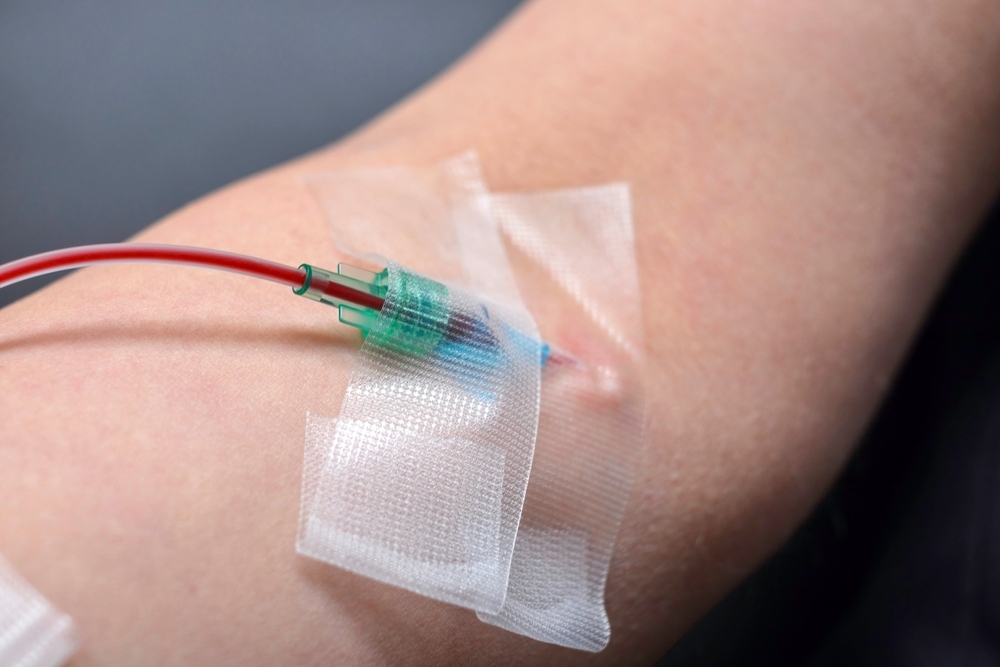
A session of O3UV therapy for immune support follows the same general process as any autohemotherapy session: a blood draw, ozone infusion, and reinfusion through an IV over 45 to 75 minutes. When combined with ultraviolet blood irradiation, a portion of the blood is additionally exposed to UV light before reinfusion, adding antimicrobial and immune-activating effects.
For immune support goals, most practitioners recommend a series of sessions, typically six to ten over an initial protocol period, with the frequency and total number adjusted based on individual response. Immune-related improvements tend to accumulate over successive sessions rather than appearing fully after the first.
Tracking how you feel between sessions, including frequency of illness, energy levels, and recovery time from minor infections, gives you and your provider meaningful data for adjusting the protocol as it progresses.
FAQ
How quickly does ozone therapy start affecting the immune system?
Some immune effects, particularly white blood cell activation, can be measured within hours of a session. The broader immune-modulating benefits, including cytokine balance and NK cell function improvements, tend to develop and accumulate over a series of sessions. Most people notice changes in how they feel, including energy and recovery from minor illness, within the first three to six sessions of an initial protocol.
Can ozone therapy help if I keep getting the same infections over and over?
Recurring infections often indicate a pattern of immune insufficiency or dysregulation. Ozone therapy’s documented effects on white blood cell activation and phagocytic activity make it relevant for this pattern. It is not a treatment for any specific infection, but supporting immune cell function and reducing the oxidative burden on immune cells may help the body respond more efficiently to recurrent challenges.
Is ozone therapy safe for people with autoimmune disease?
For many people with autoimmune conditions, ozone therapy’s cytokine-modulating effects are potentially beneficial. However, autoimmune care is highly individual and complex. Always work with the physician managing your autoimmune condition before adding ozone therapy to your protocol to ensure it fits safely within your overall care plan.
Does ozone therapy replace vaccines or conventional immune treatments?
No. Ozone therapy is a complementary wellness approach, not a substitute for vaccines, prescribed immunotherapy, or other medically indicated treatments. It is best understood as a tool for supporting overall immune function and reducing oxidative immune impairment alongside, not instead of, appropriate conventional care.
How does ozone therapy compare to other immune-support supplements like zinc or vitamin C?
Zinc and vitamin C support immune function through nutrient-based mechanisms: zinc supports T-cell development and function, while vitamin C supports white blood cell activity and antioxidant defense. Ozone therapy works through a different pathway, directly activating immune cells and modulating cytokine signaling through an oxidative preconditioning mechanism. The approaches complement each other, which is why many practitioners combine ozone therapy with IV vitamin and mineral support for comprehensive immune protocols.
Want to Explore What Ozone Therapy Could Do for Your Immune Health?
The ozone therapy immune system connection is specific, mechanistically grounded, and supported by a meaningful body of research. Ozone therapy does not simply stimulate immunity in a vague, nonspecific way. It activates white blood cells, modulates cytokine balance, enhances natural killer cell function, and reduces the oxidative burden that impairs immune cell performance. For people dealing with chronic immune challenges, recurring illness, or age-related immune decline, these targeted effects make ozone therapy a compelling addition to a broader wellness strategy.
A consultation with a qualified provider is the best way to assess whether ozone therapy fits your immune health goals and current health status. Learn more about O3UV therapy and how sessions work to take the next step.
Disclaimer
This content is for informational purposes only and is not intended to diagnose, treat, cure, or prevent any disease or medical condition. Always consult a qualified healthcare professional before beginning any new therapy.
References
Galiè, M., Covi, V., Tabaracci, G., & Malatesta, M. (2021). Ozone therapy and leukocyte phagocytic activity: Mechanisms of immune activation. International Journal of Molecular Sciences. https://www.ncbi.nlm.nih.gov/pmc/articles/PMC7823084/
Anxiety is one of the most prevalent wellness challenges of the modern era, and it is also one of the most biologically complex. While therapy, lifestyle changes, and in some…
Vitamin C is one of the most studied nutrients in human physiology, and yet most people dramatically underestimate what it can do when delivered at concentrations that oral supplementation simply…
Ozone therapy for weight loss is a topic that requires an honest conversation before anything else. If you are looking for a therapy that melts fat without lifestyle changes, this…
If you have been exploring IV therapy options, you have almost certainly come across the Myers Cocktail. It is the most widely recognized IV nutrient formula in integrative medicine, and…