Island Infusion Med Spa

Woman with natural hair resting with eyes closed during an IV hydration therapy session in a warm plant-filled wellness room

What Is IV Hydration Therapy and When Does Your Body Actually Need It?

O₃UV: Ozone + UVB Therapy

Most people understand that staying hydrated matters. What fewer people understand is that there is a meaningful difference between drinking water and restoring hydration at the cellular level, and that for certain situations, oral hydration simply cannot do the job fast enough or completely enough to meet the body’s actual needs.

IV hydration therapy fills that gap. By delivering fluids, electrolytes, and supportive nutrients directly into the bloodstream, it bypasses the digestive system and achieves the kind of rapid, complete hydration restoration that oral intake cannot replicate when the body is significantly depleted. This guide covers how it works, who needs it, and when it is the right choice over reaching for another glass of water.

1. What Dehydration Actually Does to the Body

Water makes up approximately 60 percent of the human body and is involved in virtually every physiological process from temperature regulation and nutrient transport to cellular energy production and cognitive function. When fluid levels fall, the effects are felt throughout the body and are measurable even at relatively mild deficits.

Research consistently shows that dehydration at just one to two percent of body weight impairs cognitive performance, reduces endurance capacity, and increases the perception of effort during physical tasks. At three to five percent dehydration, these effects become more significant, with measurable declines in strength, coordination, and decision-making speed.

Beyond performance, chronic mild dehydration contributes to persistent fatigue, headaches, poor skin tone, digestive sluggishness, and reduced kidney function efficiency. Many people exist in a state of low-grade chronic dehydration without recognizing it as the cause of symptoms they experience daily.

The challenge with oral rehydration is absorption speed and gut dependency. During exercise, illness, heat exposure, or significant alcohol consumption, gut absorption is compromised at exactly the moment hydration need is greatest.

2. How IV Hydration Therapy Works

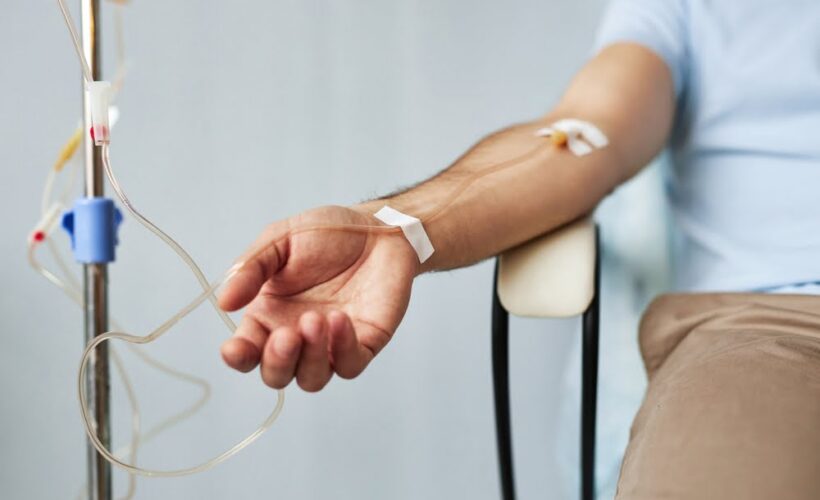
IV hydration therapy delivers an isotonic fluid solution directly into the bloodstream through an intravenous line, bypassing the digestive system entirely. Because the fluid enters the bloodstream directly, it is available for cellular uptake within minutes rather than the 30 to 60 minutes required for orally consumed fluids to be absorbed and distributed.

This speed of delivery is the defining clinical advantage of IV hydration therapy over oral intake, particularly in acute dehydration scenarios, post-exercise recovery, and illness-related fluid loss. The body receives full rehydration support at the cellular level without depending on gut absorption efficiency.

IV hydration therapy also allows precise electrolyte delivery alongside fluids. Electrolytes including sodium, potassium, magnesium, and chloride are not just lost alongside water during sweat, illness, and alcohol metabolism. They are essential to the electrochemical processes that govern muscle function, nerve signaling, and cellular fluid balance. Restoring them through IV ensures the body can actually use the fluid it receives rather than simply excreting it.

The IV drip therapy and injections approach allows additional nutrients to be incorporated into hydration sessions based on individual goals, making it possible to address hydration and other wellness needs simultaneously in a single appointment.

3. What Is in an IV Hydration Drip

The foundation of most IV hydration therapy formulas is one of two solutions.

Normal saline (0.9% sodium chloride) is the most commonly used base fluid. It closely matches the sodium concentration of blood plasma and is effective for general rehydration and electrolyte replacement.

Lactated Ringer’s solution is an electrolyte-balanced fluid that contains sodium, potassium, calcium, and lactate. It is particularly well-suited for rehydration following physical exertion because its electrolyte profile more closely matches what is lost in sweat.

Beyond the base fluid, IV hydration formulas typically include:

  • Magnesium for muscle function, relaxation, and energy metabolism
  • B vitamins particularly B12 and B complex, to support energy production and nervous system function during recovery
  • Vitamin C for immune support and antioxidant protection during the recovery period
  • Zinc to support immune function, particularly relevant during illness-related dehydration
  • Anti-nausea medication in some clinical settings for patients dealing with illness-induced vomiting that prevents oral rehydration

The specific formula depends on the reason for the session. A summer heat-related dehydration session looks different from a post-illness recovery session or an athletic performance recovery drip. Your provider will tailor the formula to your situation.

4. When IV Hydration Therapy Makes Sense

IV hydration therapy is not a replacement for daily water intake. It is a targeted intervention for specific situations where oral hydration is insufficient or too slow to meet the body’s needs. Here are the most common scenarios where it makes the clearest clinical sense.

Post-exercise dehydration. Intense or prolonged exercise can produce fluid deficits of one to three liters or more in a single session, particularly in hot and humid conditions. When combined with electrolyte depletion, oral rehydration can take hours to fully restore cellular fluid balance. IV hydration restores this within the session itself. For athletes pairing hydration with broader recovery support, combining an IV hydration drip with IV therapy for athletic recovery addresses both the fluid and nutrient dimensions of post-exercise restoration.

Illness-related dehydration. Vomiting, diarrhea, and fever all accelerate fluid and electrolyte loss while simultaneously impairing the gut’s ability to absorb oral fluids. IV hydration therapy bypasses the compromised gut and restores hydration and electrolytes directly, supporting faster recovery.

Heat-related dehydration. Extended exposure to hot conditions, particularly during outdoor summer activities, produces rapid fluid and electrolyte loss that outpaces the body’s ability to compensate through drinking alone. IV hydration therapy is particularly relevant during Maryland summers, when heat and humidity combine to accelerate dehydration risk significantly.

Hangover recovery. Alcohol is a diuretic that suppresses antidiuretic hormone, causing the kidneys to excrete more fluid than is consumed. The headache, fatigue, and nausea of a hangover are largely driven by dehydration, electrolyte depletion, and the metabolic byproducts of alcohol processing. IV hydration therapy addresses all three simultaneously.

Pre-event preparation. Athletes, performers, and professionals preparing for high-demand events use IV hydration therapy proactively to ensure optimal cellular hydration going into a situation where dehydration risk is elevated.

Chronic fatigue with hydration component. Some people dealing with persistent fatigue have a chronic low-grade dehydration component that oral intake has not fully corrected. A course of IV hydration therapy alongside other wellness interventions like ozone therapy for fatigue can address both the hydration and the cellular energy components of their fatigue simultaneously.

5. IV Hydration Therapy vs. Oral Hydration

The comparison between IV hydration therapy and oral hydration is not about which is inherently better. It is about matching the tool to the situation.

Oral hydration is the appropriate baseline approach for daily hydration maintenance and mild dehydration in healthy adults with normal gut function. It is accessible, cost-effective, and sufficient for most everyday hydration needs.

IV hydration therapy becomes the appropriate choice when:

  • Dehydration is acute, significant, or accompanied by electrolyte loss
  • Gut function is compromised by illness or post-exercise hypoperfusion
  • Speed of restoration matters, such as in athletic recovery or illness management
  • Additional nutrients alongside hydration are part of the wellness goal

Research from the Journal of Athletic Training confirmed that IV fluid rehydration restores performance markers more rapidly and completely than oral rehydration following significant exercise-induced dehydration, supporting IV delivery as the appropriate choice in high-demand recovery scenarios.

A review in the Journal of the International Society of Sports Nutrition further documented that IV delivery of nutrients alongside hydration achieves superior plasma concentrations and faster cellular uptake than oral administration, reinforcing the clinical logic of IV therapy for acute recovery needs.

6. Who Benefits Most From IV Hydration Therapy

IV hydration therapy is appropriate for a wide range of generally healthy adults. The people who tend to see the most meaningful benefits share one or more of the following characteristics.

They have significant or acute dehydration needs that oral intake cannot address quickly enough. They have compromised gut absorption due to illness, stress, or chronic digestive conditions. They are athletes or active individuals with high fluid and electrolyte turnover. They are dealing with the aftermath of significant alcohol consumption. They are managing illness-related fluid loss. They are preparing for or recovering from a high-demand event or physical challenge.

For a comprehensive wellness approach, IV hydration therapy pairs naturally with O3UV ozone therapy sessions that improve cellular oxygen utilization and support immune function, addressing both the hydration and the cellular efficiency dimensions of optimal health.

7. What to Expect During a Session

An IV hydration therapy session typically takes between 30 and 60 minutes depending on the volume of fluid administered and the specific formula. You will be seated comfortably while a small IV catheter is placed in a vein in your arm. The drip runs at a controlled rate, and most people find the experience relaxing and comfortable.

Some people feel the cool temperature of the IV fluid as it enters the arm, which is normal and resolves quickly as the fluid warms to body temperature. Many people begin to feel the effects of rehydration during the session itself, with improved energy, reduced headache, and clearer thinking often noticeable before the drip is finished.

For acute dehydration, a single session is usually sufficient. For ongoing wellness support during periods of high demand such as summer heat, heavy training blocks, or sustained illness recovery, periodic sessions may be recommended by your provider.

8. Frequently Asked Questions

How long does IV hydration therapy take?

Most IV hydration sessions run between 30 and 60 minutes depending on the fluid volume and formula. Sessions that include additional nutrients like vitamin C, glutathione, or NAD+ alongside hydration may run slightly longer. Your provider will give you a time estimate based on the specific formula planned for your session.

Yes, when administered by trained professionals using sterile equipment and pharmaceutical-grade fluids in a clinical or wellness setting. The fluids and electrolytes used in IV hydration are naturally occurring compounds that match the body’s own physiology. A brief health intake before your session ensures the formula and volume are appropriate for your individual health status.

For acute dehydration from illness, heat, or significant exercise, a single session is usually sufficient. For ongoing support during periods of sustained high demand, such as a heavy summer training block or a period of frequent illness, periodic sessions of one to two per month may be appropriate. Your provider will recommend a frequency based on your situation.

Yes. Many people use IV hydration therapy proactively before a high-demand event, during periods of elevated heat and activity, or as a general wellness support when they feel run down. You do not need to be clinically dehydrated to benefit from IV hydration therapy, particularly when additional nutrients are included in the formula.

Many headaches, particularly tension headaches and migraines with a hydration component, respond well to IV hydration therapy, particularly when the formula includes magnesium. Magnesium is one of the most evidence-supported non-pharmaceutical interventions for migraine relief, and IV delivery achieves therapeutic concentrations more rapidly than oral supplementation.

Surgical recovery is rarely a straight line, and no single treatment changes that. For patients who have already followed their surgeon’s care plan and are looking for additional support, O3UV therapy for surgical recovery is a reasonable option to raise in that conversation. Realistic expectations about what the evidence currently shows matter just as much as the treatment itself.

Key Takeaways

  • IV hydration therapy delivers fluids and electrolytes directly to the bloodstream, bypassing the digestive system for immediate cellular uptake.
  • Dehydration at just one to two percent of body weight impairs cognitive performance, endurance, and recovery, making timely rehydration a genuine wellness priority.
  • Oral hydration is appropriate for everyday maintenance but cannot match IV delivery in acute dehydration, illness, or high-demand recovery scenarios where speed and gut absorption efficiency matter.
  • The most effective IV hydration formulas combine balanced electrolytes with B vitamins, magnesium, and vitamin C to address the full spectrum of what intense exercise, heat, illness, or alcohol consumption depletes.
  • IV hydration therapy works best as a targeted intervention for specific high-need situations rather than a replacement for consistent daily water intake.
  • Pairing IV hydration with complementary wellness therapies like ozone therapy or broader IV nutrient protocols produces more comprehensive recovery and wellness outcomes than hydration alone.

Want to Find Out Which IV Hydration Formula Is Right for Your Situation?

A consultation with a qualified provider is the best way to identify the formula and frequency that fits your specific needs and lifestyle demands. Explore the full range of IV drip therapy and injection options to get started.

Disclaimer: This content is for informational purposes only and is not intended to diagnose, treat, cure, or prevent any disease or medical condition. Always consult a qualified healthcare professional before beginning any new therapy.

References:

Smiling man in blue shirt relaxing on a couch with a laptop while receiving a vitamin C IV therapy drip in a bright home wellness setting

What Is Vitamin C IV Therapy and Who Actually Needs It?

Vitamin C is one of the most studied nutrients in human physiology, and yet most people dramatically underestimate what it can do when delivered at concentrations that oral supplementation simply…
Person holding open oversized jeans waistband showing weight loss progress supported by an ozone therapy for weight loss and metabolic wellness protocol

Can Ozone Therapy Support Weight Loss? What You Should Realistically Expect

Ozone therapy for weight loss is a topic that requires an honest conversation before anything else. If you are looking for a therapy that melts fat without lifestyle changes, this…
Female practitioner in blue scrubs carefully preparing an IV drip line for a Myers cocktail IV session in a wellness clinic

What Is the Myers Cocktail IV and Why Has It Lasted 50 Years?

If you have been exploring IV therapy options, you have almost certainly come across the Myers Cocktail. It is the most widely recognized IV nutrient formula in integrative medicine, and…
Woman in white robe resting peacefully with eyes closed during an IV session representing the relaxing effects of ozone therapy and sleep improvement

Can Ozone Therapy Help You Sleep Better? What the Science Says

Poor sleep is one of the most common wellness complaints, and one of the most consistently underestimated health problems. Most people approach it by addressing the surface: better sleep hygiene,…
Select the fields to be shown. Others will be hidden. Drag and drop to rearrange the order.
  • Image
  • SKU
  • Rating
  • Price
  • Stock
  • Availability
  • Add to cart
  • Description
  • Content
  • Weight
  • Dimensions
  • Additional information
Click outside to hide the comparison bar
Compare