Island Infusion Med Spa

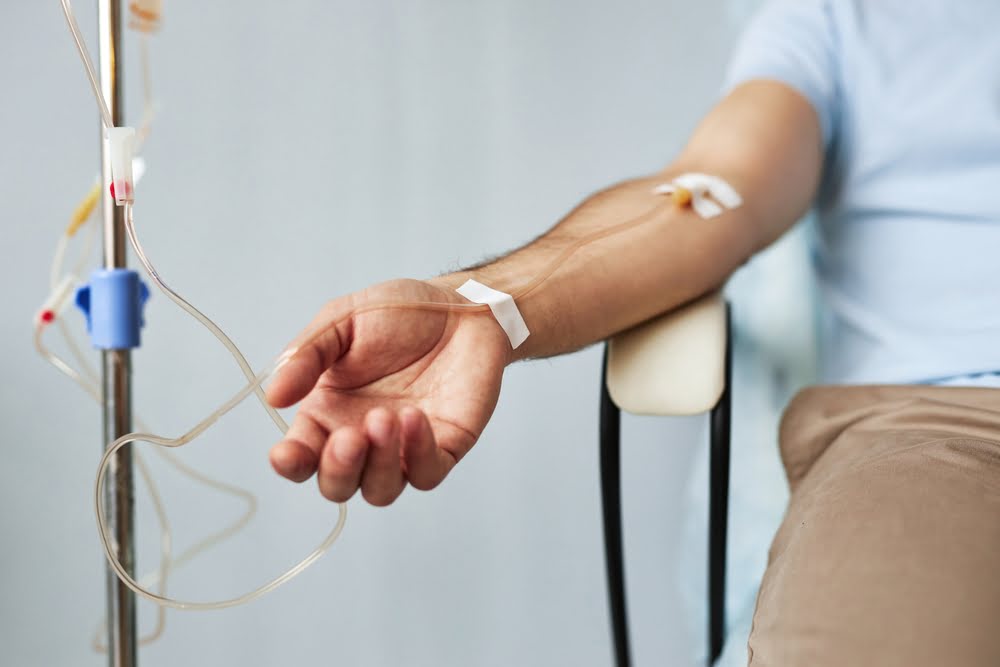
Male patient sitting with an IV line in his forearm during an IV therapy for immune support session in a clinical wellness setting

IV Therapy for Immune Support: What Goes In and Why It Works

IV Hydration

Your immune system is only as effective as the raw materials available to run it. White blood cells, antibody production, cytokine signaling, and antiviral defense all depend on specific nutrients delivered at the right concentrations to the right cells at the right time. When those nutrients are in short supply, whether from dietary gaps, high demand during illness, stress-related depletion, or simple absorption inefficiency, immune performance suffers measurably.

IV therapy for immune support addresses this directly by delivering the nutrients your immune system depends on straight into the bloodstream, bypassing the digestive limitations that reduce how much of an oral supplement actually reaches your immune cells. This guide covers what goes into an immune-focused IV protocol, why the delivery method matters, and who benefits most.

1. Why Immune Cell Function Depends on Specific Nutrients

Immune cells are among the most metabolically demanding cells in the body. When activated in response to a pathogen or inflammatory signal, they divide rapidly, produce large quantities of signaling molecules, and carry out energy-intensive functions including phagocytosis, antibody synthesis, and cytokine production.

All of these processes depend on a continuous, adequate supply of specific micronutrients. Vitamin C accumulates in neutrophils and lymphocytes at concentrations 80 to 100 times higher than plasma levels. Zinc is required for the activity of over 300 enzymes involved in immune cell function and DNA repair during rapid cell division. B vitamins are essential cofactors for the energy production that fuels immune cell activation. Glutathione protects immune cells from the oxidative damage they generate during immune responses.

When any of these nutrients are insufficient, immune performance declines in measurable ways: slower pathogen clearance, reduced antibody production, impaired natural killer cell activity, and longer recovery from illness. IV therapy for immune support delivers these nutrients at concentrations that actually reach immune cells in meaningful amounts, which oral supplementation at safe doses often cannot achieve.

2. How IV Therapy for Immune Support Works

IV therapy for immune support delivers a customized blend of vitamins, minerals, and antioxidants directly into the bloodstream through an intravenous line, bypassing the digestive system entirely. Because absorption efficiency is not a variable, the body receives close to 100 percent of the administered dose rather than the fraction that survives intestinal processing.

This matters particularly for immune support because the situations when immune support is most needed, active illness, high pathogen exposure, post-illness recovery, and intense physical stress, are precisely when gut absorption is most compromised. Blood is redirected away from the digestive system during immune activation and physical stress, reducing intestinal absorption efficiency at exactly the moment nutrient demand is highest.

IV therapy bypasses this problem, delivering nutrients to the bloodstream and immune cells during the window when they are most needed. The IV drip therapy and injections approach allows formulas to be tailored to individual immune goals, whether that means high-dose vitamin C for antioxidant immune loading, zinc and glutathione for infection recovery, or a comprehensive Myers cocktail approach for broader immune and energy support.

3. Key Nutrients in an Immune IV Protocol

The most effective IV therapy for immune support formulas are built around the nutrients with the strongest documented roles in immune cell function. Here is what the most impactful components do.

Vitamin C Vitamin C is the most widely studied immune-supportive nutrient and for good reason. It accumulates in neutrophils and lymphocytes at very high intracellular concentrations, supports the oxidative burst that neutrophils use to destroy pathogens, promotes interferon production for antiviral defense, and protects immune cells from the oxidative damage they generate during active immune responses. IV delivery achieves plasma concentrations 30 to 70 times higher than the maximum achievable orally, making it the most significant upgrade IV therapy offers over oral immune supplementation.

Zinc Zinc is essential for the development and function of virtually every type of immune cell. It is required for T-cell proliferation during immune responses, natural killer cell activity, and the activity of thymulin, a thymic hormone that regulates T-cell maturation. Zinc deficiency, which is common in older adults and during periods of high physiological stress, directly impairs immune response speed and magnitude.

Glutathione Glutathione is the primary intracellular antioxidant in immune cells and is essential for protecting them from the oxidative stress they generate during immune responses. When immune cells are activated and carrying out oxidative pathogen destruction, they produce free radicals that can damage the immune cells themselves. Adequate glutathione prevents this self-inflicted oxidative damage, supporting the survival and continued function of activated immune cells. Oral glutathione is poorly absorbed. IV delivery ensures meaningful intracellular replenishment.

B Vitamins B vitamins, particularly B6, B9 (folate), and B12, are essential for immune cell proliferation during an immune response. Immune cells must divide rapidly when activated, and this division depends on adequate supply of the B vitamins that support DNA synthesis and cellular energy production. B12 deficiency in particular is associated with reduced white blood cell production and impaired immune response.

Magnesium Magnesium supports immune function through several mechanisms including T-cell activation, natural killer cell function, and the inflammatory signaling processes that coordinate immune responses. It is depleted rapidly during periods of physical and psychological stress, making replenishment through IV delivery particularly relevant during high-demand immune periods.

Selenium Selenium is a cofactor for glutathione peroxidase, one of the primary antioxidant enzymes that protects immune cells. Selenium deficiency impairs both innate and adaptive immune responses and is associated with greater susceptibility to infection.

4. When IV Therapy for Immune Support Makes the Most Sense

IV therapy for immune support is not exclusively for people who are actively ill. Here are the situations where it provides the most meaningful benefit.

Illness prevention during high-exposure periods. Healthcare workers, frequent travelers, teachers, and others with high daily pathogen exposure benefit from proactive IV immune support that maintains optimal immune cell nutrient status before illness takes hold.

Active illness management. During an acute illness, nutrient depletion accelerates significantly while absorption is compromised. IV delivery ensures continued nutrient supply to immune cells at the peak of their demand, supporting faster resolution and reducing the risk of secondary complications.

Post-illness recovery. Following significant illness, immune cell nutrient stores are substantially depleted and the immune system needs support to return to full functional capacity. A post-illness IV protocol helps restore these stores rapidly and supports the tissue repair processes that continue after pathogens have been cleared.

Seasonal immune support. The transition from summer to fall brings increased respiratory illness exposure. A proactive IV immune support protocol in September and October is a common wellness strategy for people looking to enter the higher-risk season with maximal immune resource stores.

High physical stress periods. Intense and prolonged exercise temporarily suppresses immune function through a well-documented phenomenon in exercise immunology. Athletes in heavy training blocks benefit from IV immune support that counteracts this exercise-induced immunosuppression. For more on this, IV therapy for athletes covers the immune and recovery dimensions of athletic IV protocols in detail.

5. How IV Therapy and Ozone Therapy Work Together for Immunity

IV therapy and ozone therapy address immune support through complementary and distinct mechanisms, which is why many practitioners recommend combining them for people with significant immune support goals.

IV therapy for immune support provides the nutritional substrate that immune cells need to function: vitamin C, zinc, glutathione, B vitamins, and magnesium delivered at concentrations that actually reach immune cells in meaningful amounts.

O3UV ozone therapy activates immune cells through oxidative preconditioning, stimulating white blood cell activity, enhancing natural killer cell function, and modulating cytokine balance toward a more appropriate and effective immune response profile. When combined with ultraviolet blood irradiation in an O3UV session, it additionally provides direct antimicrobial effects against any pathogens present in the treated blood sample.

The two approaches together address both the supply side of immune function, the nutrients immune cells need, and the activation and modulation side, how effectively those cells respond to immune challenges. For people dealing with recurring infections or sluggish immune recovery, this combined approach produces more comprehensive immune support than either therapy provides independently.

6. What the Research Shows

The research on IV therapy for immune support is strongest for its individual components, each of which has extensive independent evidence.

A review published in Nutrients comprehensively examined vitamin C’s role in immune function and concluded that adequate vitamin C at the concentrations achievable through IV delivery is essential for optimal immune cell function across multiple dimensions of innate and adaptive immunity.

Research in Advances in Nutrition documented zinc’s role in immune cell development, T-cell function, and natural killer cell activity, confirming that zinc sufficiency is a foundational requirement for functional immune defense.

A study in the Journal of Nutritional Biochemistry examined glutathione’s protective role in immune cells during oxidative immune responses, finding that adequate glutathione was essential for immune cell survival and continued function during active immune challenges.

The overall research picture supports IV delivery as the most reliable method for achieving the plasma and intracellular concentrations of immune-supportive nutrients that produce the strongest measurable immune function benefits.

7. Who Is a Good Candidate for IV Therapy for Immune Support

IV therapy for immune support is appropriate for a broad range of generally healthy adults. The people most likely to see meaningful benefits include those with frequent or slow-resolving illnesses, high daily pathogen exposure, intense physical training loads, significant ongoing stress, post-illness recovery needs, or anyone approaching a season of elevated infection risk and wanting to prepare proactively.

People already using ozone therapy for immune system support will benefit particularly from IV immune support, since ozone therapy activates immune cells and IV therapy provides the nutrients those cells need to function at the level ozone therapy’s activation prepares them for.

8. What to Expect During a Session

An IV therapy for immune support session typically runs between 30 and 60 minutes depending on the formula and infusion rate. You will be seated comfortably while a small IV catheter is placed in a vein in your arm. Most people find the experience relaxing and comfortable.

Many people notice improved energy and a general sense of resilience in the days following a session. For sustained immune support during high-demand periods, a series of sessions spaced weekly or biweekly provides more consistent immune cell nutrient maintenance than a single treatment.

For people using IV immune support alongside ozone therapy, scheduling the IV session either on the same day as or within one to two days of an ozone session gives immune cells both the nutritional supply and the activation stimulus in close temporal proximity, producing the most synergistic results.

9. Frequently Asked Questions

How often should I get IV therapy for immune support?

During periods of elevated illness exposure or active illness recovery, weekly sessions for two to four weeks followed by biweekly maintenance is a common starting protocol. For general immune wellness maintenance, once or twice a month is appropriate for most adults. Your provider will tailor a schedule based on your health history, immune goals, and individual response to initial sessions.

IV therapy supports optimal immune cell function by ensuring nutrient sufficiency, which improves the immune system’s readiness to respond to pathogens. While it cannot guarantee illness prevention in the way a vaccine does, maintaining optimal immune cell nutrient status reduces the likelihood and severity of illness during high-exposure periods. This is the same logic behind optimizing any body system proactively rather than reactively.

People with autoimmune conditions should discuss IV immune support protocols with the physician managing their condition before beginning. Some nutrients at high doses, particularly vitamin C and zinc, can influence immune activation in ways that may need to be monitored in autoimmune contexts. Your provider will adjust the formula based on your condition and current management approach.

IV therapy at wellness clinics is generally intended for adult populations. Pediatric IV therapy, when clinically indicated, is administered in medical settings under physician supervision. Parents seeking immune support for children should consult a pediatrician about appropriate supplementation strategies.

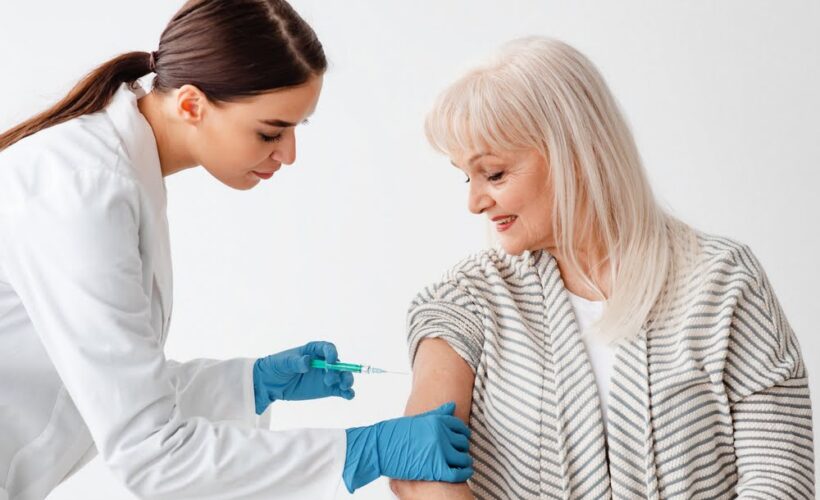
They serve different functions and are not comparable or interchangeable. A flu shot provides targeted immunological training for specific seasonal influenza strains by introducing the immune system to viral antigens. IV therapy for immune support ensures that immune cells have the nutritional resources they need to mount effective responses to any pathogen they encounter. Both have a role in a comprehensive seasonal illness prevention strategy.

Key Takeaways

  • IV therapy for immune support delivers vitamin C, zinc, glutathione, B vitamins, magnesium, and selenium directly to the bloodstream at concentrations immune cells can immediately use, bypassing digestive absorption limitations.
  • The situations when immune support is most needed, illness, high exposure, intense training, and post-illness recovery, are precisely when oral supplementation is least effective due to compromised gut absorption.
  • Vitamin C is the most impactful upgrade IV delivery offers for immune support, achieving plasma concentrations 30 to 70 times higher than oral supplementation at safe doses.
  • Glutathione protects immune cells from the oxidative self-damage they generate during active immune responses. IV delivery ensures meaningful intracellular replenishment that oral supplementation cannot reliably achieve.
  • IV therapy for immune support works most effectively when combined with ozone therapy, which activates immune cells through oxidative preconditioning alongside the nutrient supply IV therapy provides.
  • Proactive seasonal immune support with IV therapy before the fall illness season is a practical, biologically grounded wellness strategy for people who experience elevated illness frequency during high-exposure periods.

Ready to Build an IV Immune Protocol That Fits Your Needs?

A consultation with a qualified provider is the best way to identify which formula and frequency makes sense for your immune health goals. Explore the full range of IV drip therapy and injection options to get started before the fall season.

Disclaimer: This content is for informational purposes only and is not intended to diagnose, treat, cure, or prevent any disease or medical condition. Always consult a qualified healthcare professional before beginning any new therapy.

References:


ozone therapy for autoimmune disease — provider administering treatment to an older female patient

Can Ozone Therapy Help People With Autoimmune Disease?

Can Ozone Therapy Help People With Autoimmune Disease? Shannon Morley October 4, 2026 10 min read Ozone Therapy Table of Contents 1. What Makes Autoimmune Disease Different From Other Immune…
Male patient sitting with an IV line in his forearm during an IV therapy for immune support session in a clinical wellness setting

IV Therapy for Immune Support: What Goes In and Why It Works

Your immune system is only as effective as the raw materials available to run it. White blood cells, antibody production, cytokine signaling, and antiviral defense all depend on specific nutrients…
Woman standing by a window with hand on chest experiencing anxious distress, representing the biological and emotional burden that ozone therapy for anxiety aims to address

Can Ozone Therapy Help With Anxiety? What the Research Actually Shows

Anxiety is one of the most prevalent wellness challenges of the modern era, and it is also one of the most biologically complex. While therapy, lifestyle changes, and in some…
Smiling man in blue shirt relaxing on a couch with a laptop while receiving a vitamin C IV therapy drip in a bright home wellness setting

What Is Vitamin C IV Therapy and Who Actually Needs It?

Vitamin C is one of the most studied nutrients in human physiology, and yet most people dramatically underestimate what it can do when delivered at concentrations that oral supplementation simply…
Select the fields to be shown. Others will be hidden. Drag and drop to rearrange the order.
  • Image
  • SKU
  • Rating
  • Price
  • Stock
  • Availability
  • Add to cart
  • Description
  • Content
  • Weight
  • Dimensions
  • Additional information
Click outside to hide the comparison bar
Compare